
Segesser I
This set of hides represents an encounter between rival tribesmen, the attacking side possibly accompanied by a Spanish leader. Scholars agree that the painting’s features, including hills, cliffs, deciduous trees, bison, deer and pumas, indicate that this encounter took place over varied terrain.
Who took part in the conflict and where and when it occurred remains the subject of scholarly debate. Basing their theories on historical records and the painting’s account of the event, some scholars suggest that Segesser I portrays one or more Spanish officers with Indian allies—possibly the Manso, Opata, Tlascalan, Tarascan, Pima and a faction of the Suma—who are attacking rival Sumas or Apaches, in the El Paso, Texas region.
Others say that the painters were unfamiliar with both the encounter and the cultures involved, and so substituted familiar individuals, animals and terrain in a painting that actually portrays Pueblo Indian auxiliaries attacking Plains Apache Indians. Such fighting took place in any one of a half-dozen expeditions launched between 1693 and 1719 from the Palace to the eastern plains to discourage raids by tribal factions.
Because the encounter has not been pinpointed, it is not known if the individuals behind the wooden palisade are members of the defending tribe or captive slaves taken from other tribes. The attackers on horseback are equipped with Spanish weapons, clothing and leather armor to distinguish them from the opposition.
There are pieces missing from the original rendering. Parts were separated from the work sometime before 1908 and given to a Segesser family member where they are today.
Segesser II
These hides depict a disastrous, 1720 rout of Spanish troops and their allies in present-day Nebraska.
Throughout the Spanish Colonial period, officials at the Palace of the Governors routinely dispatched troops to patrol and explore beyond the colonial boundaries. Hearing of encroachment by the French, New Mexico Governor Antonio Valverde y Cosio dispatched Spanish troops and Pueblo Indian auxiliaries to verify the rumors. Led by New Mexico Lieutenant Governor and Commander-in-chief Pedro de Villasur, the military expedition also was charged with locating a suitable site on the remote eastern plains for a Spanish military post, requested by the Spanish Viceroy in Mexico City.
The Villasur expedition headed north from Santa Fe to Taos, turned east, then northeast into present-day Kansas. They followed a Pawnee route to the Platte River, moving north into eastern Nebraska. Beyond the junction of the Platte and Loup rivers, they encountered a large Pawnee Indian encampment. Villasur initiated a dialogue and asked Juan de Archibeque (Jean l’Archévêque), a Frenchman and expedition interpreter, to write a letter in French to a European within the Pawnee camp. The efforts failed and sensing a potentially hostile situation, the expedition retreated and camped at the confluence of the Loup and Platte rivers.
The Segesser II painting can be pinpointed to the August 13, 1720, skirmish at the expedition camp. After daybreak, the Pawnee and their Oto Indian allies—illustrated throughout the painting by their painted and unclothed bodies and shaved or close-cropped heads—ambushed the Villasur party. The painting also includes 37 French soldiers, identified by their European-style clothing—conical hats, coats, breeches, cuffs and leggings—firing long arms at the Spanish military expedition.
Composed of 43 royal troops, three Spanish civilians, 60 Pueblo Indian auxiliaries and several other Indian allies, the Villasur expedition was caught off guard, and the pitched battle left many of them for dead in the tall prairie grass. The attack was a major catastrophe for New Mexico and casualties amounted to a third of the province’s best soldiers. The center of the painting portrays French soldiers with Pawnee and Oto supporters surrounding the camp. At the right of the painting, Villasur expedition members who were guarding the animals are shown running to assist their Spanish comrades.
Interestingly, oral and written accounts of the battle do not mention French soldiers in the area of the encounter. Several Villasur survivors reported a volley of musket fire, but in the confusion of the battle, they did not know who was attacking them. It is possible that French traders took part in the ambush. Governor Valverde y Cosio, perhaps in an effort to defend the actions of Villasur, reported “two hundred Frenchmen had fired, supported by a countless number of Pawnee allies.”
For an interactive view of the Segesser Hides, click the link below:
The Segesser Hides (nmhistorymuseum.org)
[eventFullDescription] =>
Though the source of the Segesser Hide Paintings is obscure, their significance cannot be clearer: the hides are among the earliest known depictions of colonial life in the United States. Both paintings illustrate military expeditions that may have been dispatched from the Palace of the Governors, when it served as the regional seat of government for the King of Spain. Moreover, the tanned and smoothed hides may dipict the faces of men whose descendants live in New Mexico today.
The hides are on display in the New Mexico History Museum’s Domenici core exhibit area, Telling New Mexico.
How they came to be part of our permanent collection is a tale as circuitous as it was fortuitous. The hides found their way back to the Southwest—and eventually to the Palace og the Governors—more than 200 years after Philipp von Segesser von Brunegg, a Jesuit priest, sent them to his family in Switzerland in 1758. It is believed that he acquired them in Sonora, Mexico, between 1732 and 1758, from the Anzas, a family that was prominent in military and civil affairs in both New Mexico and the Sonoran village where Father Segesser’s mission was situated.
The existence of the hide paintings had long been known, but their availability came to light in 1983 when another museum wanted to borrow them, only to discover that the von Segesser who then owned them wanted to sell rather than lend. Enter the interest of the Palace of the Governors, which purchased in 1988 the hide paintings designated Segesser I and Segesser II.
Segesser I and II were painted on hides, likely bison, that had been tanned to make them supple, pumiced so that the grain was no longer visible, and sewn together to form a large canvas. The hides do not exhibit any distinctive ground or gesso layer under the paint.
Some scholars believe that the Segesser Hide Paintings were created in New Mexico, where imported canvas was rare and processed hides were used for a variety of purposes, including paintings on hide, or reposteros, that were exported to Mexico. There is documentary evidence that hides were painted in workshops in Santa Fe. Because the Segesser renderings include several distinct styles, some scholars suggest that as many as three artists painted specific elements of the overall rendering. We believe that the artists were indigenous New Mexicans with tribal affiliation who had the benefit of eyewitness descriptions and were taught European painting techniques. Yet the Segesser paintings were not rendered in a traditional European style typical of military paintings of that era; rather they are more characteristic of indigenous or folk-art paintings.
The late 17th and early 18th centuries were the final great period of European battle tapestries. Such textiles, imported to the Americas, might have influenced the commissioned Segesser hides. The hides contain wide, broadly painted flower and leaf borders that simulate carved or gilded frames, which also was typical of European tapestries from the same era.
Segesser I
This set of hides represents an encounter between rival tribesmen, the attacking side possibly accompanied by a Spanish leader. Scholars agree that the painting’s features, including hills, cliffs, deciduous trees, bison, deer and pumas, indicate that this encounter took place over varied terrain.
Who took part in the conflict and where and when it occurred remains the subject of scholarly debate. Basing their theories on historical records and the painting’s account of the event, some scholars suggest that Segesser I portrays one or more Spanish officers with Indian allies—possibly the Manso, Opata, Tlascalan, Tarascan, Pima and a faction of the Suma—who are attacking rival Sumas or Apaches, in the El Paso, Texas region.
Others say that the painters were unfamiliar with both the encounter and the cultures involved, and so substituted familiar individuals, animals and terrain in a painting that actually portrays Pueblo Indian auxiliaries attacking Plains Apache Indians. Such fighting took place in any one of a half-dozen expeditions launched between 1693 and 1719 from the Palace to the eastern plains to discourage raids by tribal factions.
Because the encounter has not been pinpointed, it is not known if the individuals behind the wooden palisade are members of the defending tribe or captive slaves taken from other tribes. The attackers on horseback are equipped with Spanish weapons, clothing and leather armor to distinguish them from the opposition.
There are pieces missing from the original rendering. Parts were separated from the work sometime before 1908 and given to a Segesser family member where they are today.
Segesser II
These hides depict a disastrous, 1720 rout of Spanish troops and their allies in present-day Nebraska.
Throughout the Spanish Colonial period, officials at the Palace of the Governors routinely dispatched troops to patrol and explore beyond the colonial boundaries. Hearing of encroachment by the French, New Mexico Governor Antonio Valverde y Cosio dispatched Spanish troops and Pueblo Indian auxiliaries to verify the rumors. Led by New Mexico Lieutenant Governor and Commander-in-chief Pedro de Villasur, the military expedition also was charged with locating a suitable site on the remote eastern plains for a Spanish military post, requested by the Spanish Viceroy in Mexico City.
The Villasur expedition headed north from Santa Fe to Taos, turned east, then northeast into present-day Kansas. They followed a Pawnee route to the Platte River, moving north into eastern Nebraska. Beyond the junction of the Platte and Loup rivers, they encountered a large Pawnee Indian encampment. Villasur initiated a dialogue and asked Juan de Archibeque (Jean l’Archévêque), a Frenchman and expedition interpreter, to write a letter in French to a European within the Pawnee camp. The efforts failed and sensing a potentially hostile situation, the expedition retreated and camped at the confluence of the Loup and Platte rivers.
The Segesser II painting can be pinpointed to the August 13, 1720, skirmish at the expedition camp. After daybreak, the Pawnee and their Oto Indian allies—illustrated throughout the painting by their painted and unclothed bodies and shaved or close-cropped heads—ambushed the Villasur party. The painting also includes 37 French soldiers, identified by their European-style clothing—conical hats, coats, breeches, cuffs and leggings—firing long arms at the Spanish military expedition.
Composed of 43 royal troops, three Spanish civilians, 60 Pueblo Indian auxiliaries and several other Indian allies, the Villasur expedition was caught off guard, and the pitched battle left many of them for dead in the tall prairie grass. The attack was a major catastrophe for New Mexico and casualties amounted to a third of the province’s best soldiers. The center of the painting portrays French soldiers with Pawnee and Oto supporters surrounding the camp. At the right of the painting, Villasur expedition members who were guarding the animals are shown running to assist their Spanish comrades.
Interestingly, oral and written accounts of the battle do not mention French soldiers in the area of the encounter. Several Villasur survivors reported a volley of musket fire, but in the confusion of the battle, they did not know who was attacking them. It is possible that French traders took part in the ambush. Governor Valverde y Cosio, perhaps in an effort to defend the actions of Villasur, reported “two hundred Frenchmen had fired, supported by a countless number of Pawnee allies.”
For an interactive view of the Segesser Hides, click the link below:
The Segesser Hides (nmhistorymuseum.org)
[6] => [eventURL] => [7] => [eventURLText] => [8] => 37_thumb.jpg [eventFileName] => 37_thumb.jpg [9] => 2008-04-24 [eventStartDate] => 2008-04-24 [10] => 2030-08-01 [eventEndDate] => 2030-08-01 [11] => 00:00:00 [eventStartTime] => 00:00:00 [12] => 00:00:00 [eventEndTime] => 00:00:00 [13] => 1 [recurID] => 1 [14] => 1 [publishID] => 1 [15] => 19 [instID] => 19 [16] => 0 [contactID] => 0 [17] => 2023-08-15 12:33:04 [eventUpdated] => 2023-08-15 12:33:04 [18] => 37_1200.jpg [eventBanner] => 37_1200.jpg [19] => 0 [locationID] => 0 [20] => [locationText] => [21] => 19 [22] => New Mexico History Museum [instName] => New Mexico History Museum [23] => 19.jpg [instFileName] => 19.jpg [urlSlug] => segesser-hide-painti ) [1] => Array ( [0] => 214 [eventID] => 214 [1] => exhibition [eventType] => exhibition [2] => Telling New Mexico: Stories from Then and Now [eventTitle] => Telling New Mexico: Stories from Then and Now [3] => [eventSubTitle] => [4] =>
Telling New Mexico: Stories from Then and Now sweeps across more than 500 years of history—from the state’s earliest inhabitants to the residents of today. These stories breathe life into the people who made the American West: Native Americans, Spanish colonists, Mexican citizens, Santa Fe Trail riders, fur trappers, outlaws, Buffalo Soldiers, railroad workers, miners, scientists, hippies, artists, and photographers.
[eventBriefDescription] =>Telling New Mexico: Stories from Then and Now sweeps across more than 500 years of history—from the state’s earliest inhabitants to the residents of today. These stories breathe life into the people who made the American West: Native Americans, Spanish colonists, Mexican citizens, Santa Fe Trail riders, fur trappers, outlaws, Buffalo Soldiers, railroad workers, miners, scientists, hippies, artists, and photographers.
[5] =>Telling New Mexico: Stories from Then and Now sweeps across more than 500 years of history—from the state’s earliest inhabitants to the residents of today. Stories are told through artifacts, videos, photographs, computer interactives, and oral histories that underscore the state’s cultural diversity and provide context for the museum’s ever-changing array of temporary exhibitions. Together, these stories breathe life into the people who made the American West: Native Americans, Spanish colonists, Mexican citizens, Santa Fe Trail riders, fur trappers, outlaws, Buffalo Soldiers, railroad workers, miners, scientists, hippies, artists, and photographers.
Highlights of the exhibition include Native American pottery, baskets, and jewelry from pre-European contact; a halberd from about 1600 used by Spanish conquistadores in their conquest of Indigenous peoples; an illustrated map of New Mexico from 1758 by the cartographer Bernardo Miera y Pacheco; a stagecoach, portraits, and personal possessions of settlers who traveled the Santa Fe Trail; and the death mask of Francisco “Pancho” Villa (1878–1923), the Mexican general who led a raid on Columbus, New Mexico in 1916.
[eventFullDescription] =>Telling New Mexico: Stories from Then and Now sweeps across more than 500 years of history—from the state’s earliest inhabitants to the residents of today. Stories are told through artifacts, videos, photographs, computer interactives, and oral histories that underscore the state’s cultural diversity and provide context for the museum’s ever-changing array of temporary exhibitions. Together, these stories breathe life into the people who made the American West: Native Americans, Spanish colonists, Mexican citizens, Santa Fe Trail riders, fur trappers, outlaws, Buffalo Soldiers, railroad workers, miners, scientists, hippies, artists, and photographers.
Highlights of the exhibition include Native American pottery, baskets, and jewelry from pre-European contact; a halberd from about 1600 used by Spanish conquistadores in their conquest of Indigenous peoples; an illustrated map of New Mexico from 1758 by the cartographer Bernardo Miera y Pacheco; a stagecoach, portraits, and personal possessions of settlers who traveled the Santa Fe Trail; and the death mask of Francisco “Pancho” Villa (1878–1923), the Mexican general who led a raid on Columbus, New Mexico in 1916.
[6] => [eventURL] => [7] => [eventURLText] => [8] => 214_thumb.jpg [eventFileName] => 214_thumb.jpg [9] => 2009-05-24 [eventStartDate] => 2009-05-24 [10] => 2030-05-24 [eventEndDate] => 2030-05-24 [11] => 10:00:00 [eventStartTime] => 10:00:00 [12] => 17:00:00 [eventEndTime] => 17:00:00 [13] => 1 [recurID] => 1 [14] => 1 [publishID] => 1 [15] => 19 [instID] => 19 [16] => 0 [contactID] => 0 [17] => 2020-04-30 19:36:06 [eventUpdated] => 2020-04-30 19:36:06 [18] => 214_1200.jpg [eventBanner] => 214_1200.jpg [19] => 0 [locationID] => 0 [20] => [locationText] => [21] => 19 [22] => New Mexico History Museum [instName] => New Mexico History Museum [23] => 19.jpg [instFileName] => 19.jpg [urlSlug] => telling-new-mexico-s ) [2] => Array ( [0] => 4409 [eventID] => 4409 [1] => exhibition [eventType] => exhibition [2] => Michael Naranjo Touching Beauty Exhibit [eventTitle] => Michael Naranjo Touching Beauty Exhibit [3] => [eventSubTitle] => [4] =>On display in the Bataan Building Atrium Gallery: Touching Beauty Now, sculpture by Santa Clara Pueblo’s Michael Naranjo, celebrated the world over for his bronze and stone forms suspended in fluid, graceful movement.
[eventBriefDescription] =>On display in the Bataan Building Atrium Gallery: Touching Beauty Now, sculpture by Santa Clara Pueblo’s Michael Naranjo, celebrated the world over for his bronze and stone forms suspended in fluid, graceful movement.
[5] =>On display in the Bataan Building Atrium Gallery: Touching Beauty Now, sculpture by Santa Clara Pueblo’s Michael Naranjo, celebrated the world over for his bronze and stone forms suspended in fluid, graceful movement. In 1968, Naranjo lost his sight after a combat injury in Vietnam, and feared he would never create art again. He did, in fact, learn to sculpt blind, a testament to the artist’s unstoppable passion for art, beauty, and his roots in an artistic family. The Bataan Building is located at 400 Don Gaspar Ave, .Santa Fe and is open from 8-5 pm. Monday through Friday.
[eventFullDescription] =>On display in the Bataan Building Atrium Gallery: Touching Beauty Now, sculpture by Santa Clara Pueblo’s Michael Naranjo, celebrated the world over for his bronze and stone forms suspended in fluid, graceful movement. In 1968, Naranjo lost his sight after a combat injury in Vietnam, and feared he would never create art again. He did, in fact, learn to sculpt blind, a testament to the artist’s unstoppable passion for art, beauty, and his roots in an artistic family. The Bataan Building is located at 400 Don Gaspar Ave, .Santa Fe and is open from 8-5 pm. Monday through Friday.
[6] => [eventURL] => [7] => [eventURLText] => [8] => 4409_thumb.jpg [eventFileName] => 4409_thumb.jpg [9] => 2010-01-15 [eventStartDate] => 2010-01-15 [10] => 2026-01-15 [eventEndDate] => 2026-01-15 [11] => 00:00:00 [eventStartTime] => 00:00:00 [12] => 00:00:00 [eventEndTime] => 00:00:00 [13] => 1 [recurID] => 1 [14] => 1 [publishID] => 1 [15] => 39 [instID] => 39 [16] => 0 [contactID] => 0 [17] => 2024-04-22 07:59:35 [eventUpdated] => 2024-04-22 07:59:35 [18] => 4409_1200.jpg [eventBanner] => 4409_1200.jpg [19] => 0 [locationID] => 0 [20] => [locationText] => [21] => 39 [22] => New Mexico Department of Cultural Affairs [instName] => New Mexico Department of Cultural Affairs [23] => [instFileName] => [urlSlug] => michael-naranjo-touc ) [3] => Array ( [0] => 29 [eventID] => 29 [1] => exhibition [eventType] => exhibition [2] => Multiple Visions: A Common Bond [eventTitle] => Multiple Visions: A Common Bond [3] => Permanent Exhibit [eventSubTitle] => Permanent Exhibit [4] =>Multiple Visions: A Common Bond has been the destination for well over a million first-time and repeat visitors to the Museum of International Folk Art. First, second, third, or countless times around, we find our gaze drawn by different objects, different scenes. With more than 10,000 objects to see, this exhibition continues to enchant museum visitors, staff and patrons. Explore highlights from the GIRARD WING.
[eventBriefDescription] =>Multiple Visions: A Common Bond has been the destination for well over a million first-time and repeat visitors to the Museum of International Folk Art. First, second, third, or countless times around, we find our gaze drawn by different objects, different scenes. With more than 10,000 objects to see, this exhibition continues to enchant museum visitors, staff and patrons. Explore highlights from the GIRARD WING.
[5] =>The Girard Collection: Enduring Appeal It is entirely possible to be both delighted and overwhelmed by the Alexander Girard’s one-of-a-kind exhibition—even after more than twenty-five years. The vastness of the exhibit space, the complexity of the design, the sheer quantity of objects on display—the immensity and intensity can be overpowering. And compelling.That’s why Multiple Visions: A Common Bond has been the destination for well over a million first-time and repeat visitors to the Museum of International Folk Art. First, second, third, or countless times around, we find our gaze drawn by different objects, different scenes. With more than 10,000 objects to see, this exhibition continues to enchant museum visitors, staff and patrons.
With his singular vision and intuitive understanding of the multiplicity of cultures and artistic genres, perhaps Girard himself felt the same unflagging delight when he was designing the exhibit. Girard rewards those who look carefully with touches of wit and whimsy, amazing us with his command of detail and sense of perspective. He appeals to children and adults alike who peer into the sets from different angles, to glimpse people and animals, puppets, dolls, and small figures of clay, wood, paper, cloth, and, yes, even plastics. Some look familiar, clearly identifiable as the products of specific cultures and places. Others take us to places we can only imagine. Who can ever tire of going back to these places of enjoyment and creativity?
The Girard Family collection of more than 100,000 objects is unique in part because of its size and breadth: more than 100 countries on six continents are represented. Enjoy this text-free gallery with or without a docent, pick up a Gallery Guide to read more about the cases, or pick up a multi-media tour on an Ipod touch available at the front desk for no additional fee.
"I believe we should preserve this evidence of the past, not as a pattern for sentimental imitation, but as nourishment for the creative spirit of the present."
- Alexander Girard
MULTIPLE VISIONS GALLERY GUIDE
ONLINE RESOURCES:
Online Experiences-http://moifa.org/visit/online.html
Experience our Renowned Exhibit Multiple Visions: Multiple Visions: A Common Bond with a Google 360 View
A Common Bond-http://collection.internationalfolkart.org/collections/9528/a-common-bond
Where Worlds Collide Folk art collector meets Modernist creator at the Museum of International Folk Art.-http://www.elpalacio.org/2019/11/where-worlds-collide/
For the Love of the Little Maintaining Alexander Girard’s mania for multitudes-http://www.elpalacio.org/2019/08/for-the-love-of-the-little/
A Dazzling Denizen Alexander Girard made himself at home in the world, and made many worlds of his own.-http://www.elpalacio.org/2019/05/a-dazzling-denizen/
[eventFullDescription] =>
The Girard Collection: Enduring Appeal It is entirely possible to be both delighted and overwhelmed by the Alexander Girard’s one-of-a-kind exhibition—even after more than twenty-five years. The vastness of the exhibit space, the complexity of the design, the sheer quantity of objects on display—the immensity and intensity can be overpowering. And compelling.That’s why Multiple Visions: A Common Bond has been the destination for well over a million first-time and repeat visitors to the Museum of International Folk Art. First, second, third, or countless times around, we find our gaze drawn by different objects, different scenes. With more than 10,000 objects to see, this exhibition continues to enchant museum visitors, staff and patrons.
With his singular vision and intuitive understanding of the multiplicity of cultures and artistic genres, perhaps Girard himself felt the same unflagging delight when he was designing the exhibit. Girard rewards those who look carefully with touches of wit and whimsy, amazing us with his command of detail and sense of perspective. He appeals to children and adults alike who peer into the sets from different angles, to glimpse people and animals, puppets, dolls, and small figures of clay, wood, paper, cloth, and, yes, even plastics. Some look familiar, clearly identifiable as the products of specific cultures and places. Others take us to places we can only imagine. Who can ever tire of going back to these places of enjoyment and creativity?
The Girard Family collection of more than 100,000 objects is unique in part because of its size and breadth: more than 100 countries on six continents are represented. Enjoy this text-free gallery with or without a docent, pick up a Gallery Guide to read more about the cases, or pick up a multi-media tour on an Ipod touch available at the front desk for no additional fee.
"I believe we should preserve this evidence of the past, not as a pattern for sentimental imitation, but as nourishment for the creative spirit of the present."
- Alexander Girard
MULTIPLE VISIONS GALLERY GUIDE
ONLINE RESOURCES:
Online Experiences-http://moifa.org/visit/online.html
Experience our Renowned Exhibit Multiple Visions: Multiple Visions: A Common Bond with a Google 360 View
A Common Bond-http://collection.internationalfolkart.org/collections/9528/a-common-bond
Where Worlds Collide Folk art collector meets Modernist creator at the Museum of International Folk Art.-http://www.elpalacio.org/2019/11/where-worlds-collide/
For the Love of the Little Maintaining Alexander Girard’s mania for multitudes-http://www.elpalacio.org/2019/08/for-the-love-of-the-little/
A Dazzling Denizen Alexander Girard made himself at home in the world, and made many worlds of his own.-http://www.elpalacio.org/2019/05/a-dazzling-denizen/
[6] => [eventURL] => [7] => [eventURLText] => [8] => 29_thumb.jpg [eventFileName] => 29_thumb.jpg [9] => 2011-01-01 [eventStartDate] => 2011-01-01 [10] => 2030-12-31 [eventEndDate] => 2030-12-31 [11] => 10:00:00 [eventStartTime] => 10:00:00 [12] => 17:00:00 [eventEndTime] => 17:00:00 [13] => 3 [recurID] => 3 [14] => 1 [publishID] => 1 [15] => 2 [instID] => 2 [16] => 39 [contactID] => 39 [17] => 2022-05-12 11:35:49 [eventUpdated] => 2022-05-12 11:35:49 [18] => 29_1200.jpg [eventBanner] => 29_1200.jpg [19] => 0 [locationID] => 0 [20] => [locationText] => [21] => 2 [22] => Museum of International Folk Art [instName] => Museum of International Folk Art [23] => 2.jpg [instFileName] => 2.jpg [urlSlug] => multiple-visions-a-c ) [4] => Array ( [0] => 1950 [eventID] => 1950 [1] => exhibition [eventType] => exhibition [2] => Setting the Standard: The Fred Harvey Company and Its Legacy [eventTitle] => Setting the Standard: The Fred Harvey Company and Its Legacy [3] => [eventSubTitle] => [4] =>
Setting the Standard: The Fred Harvey Company and Its Legacy, in the New Mexico History Museum’s main exhibit, Telling New Mexico: Stories from Then and Now, helps tell those stories. Setting the Standard uses artifacts from the museum’s collection, images from the Palace of the Governors Photo Archives and loans from other museums and private collectors. Focusing on the rise of the Fred Harvey Company as a family business and events that transpired specifically in the Land of Enchantment, the tale will leave visitors with an understanding of how the Harvey experience resonates in our Southwest today.
[eventBriefDescription] =>Setting the Standard: The Fred Harvey Company and Its Legacy, in the New Mexico History Museum’s main exhibit, Telling New Mexico: Stories from Then and Now, helps tell those stories. Setting the Standard uses artifacts from the museum’s collection, images from the Palace of the Governors Photo Archives and loans from other museums and private collectors. Focusing on the rise of the Fred Harvey Company as a family business and events that transpired specifically in the Land of Enchantment, the tale will leave visitors with an understanding of how the Harvey experience resonates in our Southwest today.
[5] =>Will Rogers noted that Fred Harvey “kept the West in food—and wives.” But the company’s Harvey Girls are by no means its only legacy. From the Atchison, Topeka and Santa Fe Railway’s 1879 arrival in New Mexico to the 1970 demolition of Albuquerque’s Alvarado Hotel, the Fred Harvey name and its company’s influence have been felt across New Mexico, not to mention the American West. The company and its New Mexico establishments served as the stage on which people such as Mary Colter were able to fashion an “authentic” tourist experience, along with Herman Schweizer who helped drive the direction of Native American jewelry and crafts as an industry.
Setting the Standard: The Fred Harvey Company and Its Legacy, in the New Mexico History Museum’s main exhibit, Telling New Mexico: Stories from Then and Now, helps tell those stories. Setting the Standard uses artifacts from the museum’s collection, images from the Palace of the Governors Photo Archives and loans from other museums and private collectors. Focusing on the rise of the Fred Harvey Company as a family business and events that transpired specifically in the Land of Enchantment, the tale will leave visitors with an understanding of how the Harvey experience resonates in our Southwest today.
“People don’t always realize that many of the turning points in the company’s history are specific to New Mexico,” said Meredith Davidson, curator of 19th- and 20th-century Southwest collections. “The Harvey Girls were invented in Raton. Native American jewelry, pottery, blankets and other goods were shaped by sales at the Alvarado’s Indian Room in Albuquerque. Tourists experienced `the authentic Southwest’ through Indian Detours that left from Santa Fe’s La Fonda Hotel and countless others.
“In many ways, Fred Harvey and the AT&SF Railway grew up together in New Mexico. As tracks were laid through cities, a Harvey House appeared. From small eating houses in cities like Deming, to large hotels like the Alvarado, each place left an imprint on the local community as well as on the tourists who returned to their homes with tales of that Fred Harvey experience.”
Artifacts in the exhibit include: the original Atchison, Topeka & Santa Fe Railway track sign for Albuquerque’s Alvarado Hotel; Harvey Girl uniforms (including the unique embroidered blouse worn by La Fonda waitresses in the 1950s); furniture designed by famed architect and interior decorator Mary Colter; hand-stamped Navajo spoons; Fred Harvey’s original datebook and an iconic painting of the man behind the empire. Other artifacts include a gong similar to ones that rang travelers to their meals (this one hung in the company’s Chicago office) and an original Doris Lee painting while helping to plan MGM’s The Harvey Girls, starring Judy Garland. The image Lee created was adopted by the Harvey Company and used on menus at El Navajo in Gallup and El Tovar at the Grand Canyon.
In addition, an interactive station will feature excerpts of Harvey Girl interviews conducted by Katrina Parks for her 2013 documentary, The Harvey Girls: Opportunity Bound.
[eventFullDescription] =>
Will Rogers noted that Fred Harvey “kept the West in food—and wives.” But the company’s Harvey Girls are by no means its only legacy. From the Atchison, Topeka and Santa Fe Railway’s 1879 arrival in New Mexico to the 1970 demolition of Albuquerque’s Alvarado Hotel, the Fred Harvey name and its company’s influence have been felt across New Mexico, not to mention the American West. The company and its New Mexico establishments served as the stage on which people such as Mary Colter were able to fashion an “authentic” tourist experience, along with Herman Schweizer who helped drive the direction of Native American jewelry and crafts as an industry.
Setting the Standard: The Fred Harvey Company and Its Legacy, in the New Mexico History Museum’s main exhibit, Telling New Mexico: Stories from Then and Now, helps tell those stories. Setting the Standard uses artifacts from the museum’s collection, images from the Palace of the Governors Photo Archives and loans from other museums and private collectors. Focusing on the rise of the Fred Harvey Company as a family business and events that transpired specifically in the Land of Enchantment, the tale will leave visitors with an understanding of how the Harvey experience resonates in our Southwest today.
“People don’t always realize that many of the turning points in the company’s history are specific to New Mexico,” said Meredith Davidson, curator of 19th- and 20th-century Southwest collections. “The Harvey Girls were invented in Raton. Native American jewelry, pottery, blankets and other goods were shaped by sales at the Alvarado’s Indian Room in Albuquerque. Tourists experienced `the authentic Southwest’ through Indian Detours that left from Santa Fe’s La Fonda Hotel and countless others.
“In many ways, Fred Harvey and the AT&SF Railway grew up together in New Mexico. As tracks were laid through cities, a Harvey House appeared. From small eating houses in cities like Deming, to large hotels like the Alvarado, each place left an imprint on the local community as well as on the tourists who returned to their homes with tales of that Fred Harvey experience.”
Artifacts in the exhibit include: the original Atchison, Topeka & Santa Fe Railway track sign for Albuquerque’s Alvarado Hotel; Harvey Girl uniforms (including the unique embroidered blouse worn by La Fonda waitresses in the 1950s); furniture designed by famed architect and interior decorator Mary Colter; hand-stamped Navajo spoons; Fred Harvey’s original datebook and an iconic painting of the man behind the empire. Other artifacts include a gong similar to ones that rang travelers to their meals (this one hung in the company’s Chicago office) and an original Doris Lee painting while helping to plan MGM’s The Harvey Girls, starring Judy Garland. The image Lee created was adopted by the Harvey Company and used on menus at El Navajo in Gallup and El Tovar at the Grand Canyon.
In addition, an interactive station will feature excerpts of Harvey Girl interviews conducted by Katrina Parks for her 2013 documentary, The Harvey Girls: Opportunity Bound.
[6] => www.nmhistorymuseum.org [eventURL] => www.nmhistorymuseum.org [7] => [eventURLText] => [8] => 1950_thumb.jpg [eventFileName] => 1950_thumb.jpg [9] => 2014-12-07 [eventStartDate] => 2014-12-07 [10] => 2024-12-31 [eventEndDate] => 2024-12-31 [11] => 00:00:00 [eventStartTime] => 00:00:00 [12] => 00:00:00 [eventEndTime] => 00:00:00 [13] => 1 [recurID] => 1 [14] => 1 [publishID] => 1 [15] => 19 [instID] => 19 [16] => 0 [contactID] => 0 [17] => 2023-07-26 14:32:22 [eventUpdated] => 2023-07-26 14:32:22 [18] => 1950_1200.jpg [eventBanner] => 1950_1200.jpg [19] => 0 [locationID] => 0 [20] => [locationText] => [21] => 19 [22] => New Mexico History Museum [instName] => New Mexico History Museum [23] => 19.jpg [instFileName] => 19.jpg [urlSlug] => setting-the-standard ) [5] => Array ( [0] => 3406 [eventID] => 3406 [1] => exhibition [eventType] => exhibition [2] => New Mexico Colonial Home - Circa 1815 [eventTitle] => New Mexico Colonial Home - Circa 1815 [3] => [eventSubTitle] => [4] =>
The Spanish colonial home (la casa) gives visitors an idea of what a home from the time around 1815 would have looked like.
[eventBriefDescription] =>The Spanish colonial home (la casa) gives visitors an idea of what a home from the time around 1815 would have looked like.
[5] =>The Spanish colonial home (la casa) gives visitors an idea of what a home from the time around 1815 would have looked like.
Walk through the home and see period artifacts and get a feel for colonial New Mexico. Most houses of the period followed a design typical of the regions surrounding the Mediterranean Sea (Southern Europe, the Middle East and North Africa), with single rooms built end-to-end around a central courtyard (placita). Doors and windows from each room opened onto the placita. The artifacts and features of the New Mexico colonial home are based on archaeological information from excavations, wills, and inventories from the late 1700s to 1800s.
The New Mexico Colonial Home is on long-term display.
[eventFullDescription] =>The Spanish colonial home (la casa) gives visitors an idea of what a home from the time around 1815 would have looked like.
Walk through the home and see period artifacts and get a feel for colonial New Mexico. Most houses of the period followed a design typical of the regions surrounding the Mediterranean Sea (Southern Europe, the Middle East and North Africa), with single rooms built end-to-end around a central courtyard (placita). Doors and windows from each room opened onto the placita. The artifacts and features of the New Mexico colonial home are based on archaeological information from excavations, wills, and inventories from the late 1700s to 1800s.
The New Mexico Colonial Home is on long-term display.
[6] => [eventURL] => [7] => [eventURLText] => [8] => 3406_thumb.jpg [eventFileName] => 3406_thumb.jpg [9] => 2017-01-01 [eventStartDate] => 2017-01-01 [10] => 2030-01-01 [eventEndDate] => 2030-01-01 [11] => 00:00:00 [eventStartTime] => 00:00:00 [12] => 00:00:00 [eventEndTime] => 00:00:00 [13] => 1 [recurID] => 1 [14] => 1 [publishID] => 1 [15] => 28 [instID] => 28 [16] => 0 [contactID] => 0 [17] => 2019-12-18 07:46:35 [eventUpdated] => 2019-12-18 07:46:35 [18] => 3406_1200.jpg [eventBanner] => 3406_1200.jpg [19] => 0 [locationID] => 0 [20] => [locationText] => [21] => 28 [22] => New Mexico Farm and Ranch Heritage Museum [instName] => New Mexico Farm and Ranch Heritage Museum [23] => 28.jpg [instFileName] => 28.jpg [urlSlug] => new-mexico-colonial- ) [6] => Array ( [0] => 3407 [eventID] => 3407 [1] => exhibition [eventType] => exhibition [2] => Icons of Exploration [eventTitle] => Icons of Exploration [3] => [eventSubTitle] => [4] =>Showcases some of the Museum’s most celebrated objects including a real "moon rock," rare replicas of the first man-made satellites, Sputnik and Explorer, and the Gargoyle, an early guided missile.
[eventBriefDescription] =>Showcases some of the Museum’s most celebrated objects including a real "moon rock," rare replicas of the first man-made satellites, Sputnik and Explorer, and the Gargoyle, an early guided missile.
[5] =>Icons of Exploration, a permanent exhibition at the New Mexico Museum of Space History, showcases some of the Museum’s most celebrated objects including a real "moon rock," rare replicas of the first man-made satellites, Sputnik and Explorer, and the Gargoyle, an early guided missile.
Throughout the exhibition, visitors are introduced to themes and subjects that are revisited and developed in other areas of the museum.
[eventFullDescription] =>Icons of Exploration, a permanent exhibition at the New Mexico Museum of Space History, showcases some of the Museum’s most celebrated objects including a real "moon rock," rare replicas of the first man-made satellites, Sputnik and Explorer, and the Gargoyle, an early guided missile.
Throughout the exhibition, visitors are introduced to themes and subjects that are revisited and developed in other areas of the museum.
[6] => [eventURL] => [7] => [eventURLText] => [8] => 3407_thumb.jpg [eventFileName] => 3407_thumb.jpg [9] => 2017-01-01 [eventStartDate] => 2017-01-01 [10] => 2030-01-01 [eventEndDate] => 2030-01-01 [11] => 00:00:00 [eventStartTime] => 00:00:00 [12] => 00:00:00 [eventEndTime] => 00:00:00 [13] => 1 [recurID] => 1 [14] => 1 [publishID] => 1 [15] => 40 [instID] => 40 [16] => 0 [contactID] => 0 [17] => 2017-08-22 10:16:58 [eventUpdated] => 2017-08-22 10:16:58 [18] => 3407_1200.jpg [eventBanner] => 3407_1200.jpg [19] => 0 [locationID] => 0 [20] => [locationText] => [21] => 40 [22] => New Mexico Museum of Space History [instName] => New Mexico Museum of Space History [23] => 40.jpg [instFileName] => 40.jpg [urlSlug] => icons-of-exploration ) [7] => Array ( [0] => 3409 [eventID] => 3409 [1] => exhibition [eventType] => exhibition [2] => John P. Stapp Air & Space Park [eventTitle] => John P. Stapp Air & Space Park [3] => [eventSubTitle] => [4] =>Named after International Space Hall of Fame Inductee and aeromedical pioneer Dr. John P. Stapp, the Air and Space Park consists of large space-related artifacts documenting mankinds exploration of space.
[eventBriefDescription] =>Named after International Space Hall of Fame Inductee and aeromedical pioneer Dr. John P. Stapp, the Air and Space Park consists of large space-related artifacts documenting mankinds exploration of space.
[5] =>Named after International Space Hall of Fame Inductee and aeromedical pioneer Dr. John P. Stapp, the Air and Space Park consists of large space-related artifacts documenting mankind’s exploration of space.
Examples of exhibits include the Sonic Wind I rocket sled ridden by Dr. Stapp and the Little Joe II rocket which tested the Apollo Launch Escape System.
At 86 feet tall, Little Joe II is the largest rocket ever launched from New Mexico.
[eventFullDescription] =>Named after International Space Hall of Fame Inductee and aeromedical pioneer Dr. John P. Stapp, the Air and Space Park consists of large space-related artifacts documenting mankind’s exploration of space.
Examples of exhibits include the Sonic Wind I rocket sled ridden by Dr. Stapp and the Little Joe II rocket which tested the Apollo Launch Escape System.
At 86 feet tall, Little Joe II is the largest rocket ever launched from New Mexico.
[6] => [eventURL] => [7] => [eventURLText] => [8] => 3409_thumb.jpg [eventFileName] => 3409_thumb.jpg [9] => 2017-01-01 [eventStartDate] => 2017-01-01 [10] => 2030-01-01 [eventEndDate] => 2030-01-01 [11] => 00:00:00 [eventStartTime] => 00:00:00 [12] => 00:00:00 [eventEndTime] => 00:00:00 [13] => 1 [recurID] => 1 [14] => 1 [publishID] => 1 [15] => 40 [instID] => 40 [16] => 0 [contactID] => 0 [17] => 2017-08-22 10:53:47 [eventUpdated] => 2017-08-22 10:53:47 [18] => 3409_1200.jpg [eventBanner] => 3409_1200.jpg [19] => 0 [locationID] => 0 [20] => [locationText] => [21] => 40 [22] => New Mexico Museum of Space History [instName] => New Mexico Museum of Space History [23] => 40.jpg [instFileName] => 40.jpg [urlSlug] => john-p-stapp-air-spa ) [8] => Array ( [0] => 3928 [eventID] => 3928 [1] => exhibition [eventType] => exhibition [2] => The First World War [eventTitle] => The First World War [3] => Exhibition opened on the 100th anniversary of Armistice [eventSubTitle] => Exhibition opened on the 100th anniversary of Armistice [4] =>The First World War exhibition investigates the contributions of New Mexicans to the war, through letters, photographs and objects.
“New Mexico played an important role in both world wars,” said Andrew Wulf, then-Director of the New Mexico History Museum. “We are proud to be able to recognize and remember that contribution and add The First World War as a permanent exhibition, to underscore the sacrifice and heartfelt letters home from these brave soldiers.”
[eventBriefDescription] =>The First World War exhibition investigates the contributions of New Mexicans to the war, through letters, photographs and objects.
“New Mexico played an important role in both world wars,” said Andrew Wulf, then-Director of the New Mexico History Museum. “We are proud to be able to recognize and remember that contribution and add The First World War as a permanent exhibition, to underscore the sacrifice and heartfelt letters home from these brave soldiers.”
[5] =>New Mexico achieved statehood just two short years before the Great War broke out in Europe in 1914. Recruitment in the nascent state was aggressive, and New Mexicans stepped up to serve in large numbers. By the end of the first World War, New Mexico ranked fifth in the nation for military service, enlisting more than 17,000 recruits from all 33 New Mexican counties. The war claimed the lives of 501 New Mexicans. The global conflict ended with the signing of the armistice Nov. 11, 1918.
On the 100th anniversary of the signing of the armistice, Sunday, Nov. 11, 2018, the New Mexico History Museum opened a permanent exhibition entitled The First World War featuring the stories, images and letters from New Mexicans who served.
“The First World War permanent exhibition opening on Veterans Day 2018 at the New Mexico History Museum captures the essence of the hardship, fears, hopes, dreams, and heartbreak of New Mexicans who served,” said Devorah Romanek, Curator of Exhibits at the University of New Mexico’s Maxwell Museum of Anthropology and guest curator of the New Mexico History Museum’s The First World War exhibition. “The demographics of New Mexico’s military contingent reflected the diversity and singular history of the state.”
“For some, the call to serve led to global travel and new perspectives, but the yearning for home.” Many of those enlisted personnel had served in the Mexican Punitive Expedition, a retaliatory response to Mexican revolutionary leader Pancho Villa’s attack on the border town of Columbus. The First World War exhibition investigates the contributions of New Mexicans to the war, through letters, photographs and objects.
“New Mexico played an important role in both world wars,” said Andrew Wulf, then-Director of the New Mexico History Museum. “We are proud to be able to recognize and remember that contribution and add The First World War as a permanent exhibition, to underscore the sacrifice and heartfelt letters home from these brave soldiers.”
[eventFullDescription] =>
New Mexico achieved statehood just two short years before the Great War broke out in Europe in 1914. Recruitment in the nascent state was aggressive, and New Mexicans stepped up to serve in large numbers. By the end of the first World War, New Mexico ranked fifth in the nation for military service, enlisting more than 17,000 recruits from all 33 New Mexican counties. The war claimed the lives of 501 New Mexicans. The global conflict ended with the signing of the armistice Nov. 11, 1918.
On the 100th anniversary of the signing of the armistice, Sunday, Nov. 11, 2018, the New Mexico History Museum opened a permanent exhibition entitled The First World War featuring the stories, images and letters from New Mexicans who served.
“The First World War permanent exhibition opening on Veterans Day 2018 at the New Mexico History Museum captures the essence of the hardship, fears, hopes, dreams, and heartbreak of New Mexicans who served,” said Devorah Romanek, Curator of Exhibits at the University of New Mexico’s Maxwell Museum of Anthropology and guest curator of the New Mexico History Museum’s The First World War exhibition. “The demographics of New Mexico’s military contingent reflected the diversity and singular history of the state.”
“For some, the call to serve led to global travel and new perspectives, but the yearning for home.” Many of those enlisted personnel had served in the Mexican Punitive Expedition, a retaliatory response to Mexican revolutionary leader Pancho Villa’s attack on the border town of Columbus. The First World War exhibition investigates the contributions of New Mexicans to the war, through letters, photographs and objects.
“New Mexico played an important role in both world wars,” said Andrew Wulf, then-Director of the New Mexico History Museum. “We are proud to be able to recognize and remember that contribution and add The First World War as a permanent exhibition, to underscore the sacrifice and heartfelt letters home from these brave soldiers.”
[6] => [eventURL] => [7] => [eventURLText] => [8] => 3928_thumb.jpg [eventFileName] => 3928_thumb.jpg [9] => 2018-11-11 [eventStartDate] => 2018-11-11 [10] => 2030-11-11 [eventEndDate] => 2030-11-11 [11] => 00:00:00 [eventStartTime] => 00:00:00 [12] => 00:00:00 [eventEndTime] => 00:00:00 [13] => 1 [recurID] => 1 [14] => 1 [publishID] => 1 [15] => 19 [instID] => 19 [16] => 0 [contactID] => 0 [17] => 2023-08-10 10:52:29 [eventUpdated] => 2023-08-10 10:52:29 [18] => 3928_1200.jpg [eventBanner] => 3928_1200.jpg [19] => 0 [locationID] => 0 [20] => [locationText] => [21] => 19 [22] => New Mexico History Museum [instName] => New Mexico History Museum [23] => 19.jpg [instFileName] => 19.jpg [urlSlug] => the-first-world-war ) [9] => Array ( [0] => 4021 [eventID] => 4021 [1] => exhibition [eventType] => exhibition [2] => The Massacre of Don Pedro Villasur [eventTitle] => The Massacre of Don Pedro Villasur [3] => [eventSubTitle] => [4] =>
This exhibition features 23 original graphic history art works by Santa Fe-based artist Turner Avery Mark-Jacobs. This display, ’The Massacre of Don Pedro Villasur,’ narrates the history of an ill-fated Spanish colonial military expedition which set out from Santa Fe in 1720. This depicted story shares the exhibit room with the History Museum’s Segesser I and II Hide paintings located in the Telling New Mexico gallery.
[eventBriefDescription] =>This exhibition features 23 original graphic history art works by Santa Fe-based artist Turner Avery Mark-Jacobs. This display, ’The Massacre of Don Pedro Villasur,’ narrates the history of an ill-fated Spanish colonial military expedition which set out from Santa Fe in 1720. This depicted story shares the exhibit room with the History Museum’s Segesser I and II Hide paintings located in the Telling New Mexico gallery.
[5] =>This exhibition features 23 original graphic history art works by Santa Fe-based artist Turner Avery Mark-Jacobs. This display, ’The Massacre of Don Pedro Villasur,’ narrates the history of an ill-fated Spanish colonial military expedition which set out from Santa Fe in 1720. This depicted story shares the exhibit room with the History Museum’s Segesser I and II Hide paintings located in the Telling New Mexico gallery.
[eventFullDescription] =>This exhibition features 23 original graphic history art works by Santa Fe-based artist Turner Avery Mark-Jacobs. This display, ’The Massacre of Don Pedro Villasur,’ narrates the history of an ill-fated Spanish colonial military expedition which set out from Santa Fe in 1720. This depicted story shares the exhibit room with the History Museum’s Segesser I and II Hide paintings located in the Telling New Mexico gallery.
[6] => [eventURL] => [7] => [eventURLText] => [8] => 4021_thumb.jpg [eventFileName] => 4021_thumb.jpg [9] => 2019-02-01 [eventStartDate] => 2019-02-01 [10] => 2030-02-01 [eventEndDate] => 2030-02-01 [11] => 00:00:00 [eventStartTime] => 00:00:00 [12] => 00:00:00 [eventEndTime] => 00:00:00 [13] => 1 [recurID] => 1 [14] => 1 [publishID] => 1 [15] => 19 [instID] => 19 [16] => 0 [contactID] => 0 [17] => 2020-04-30 10:02:55 [eventUpdated] => 2020-04-30 10:02:55 [18] => 4021_1200.jpg [eventBanner] => 4021_1200.jpg [19] => 0 [locationID] => 0 [20] => [locationText] => [21] => 19 [22] => New Mexico History Museum [instName] => New Mexico History Museum [23] => 19.jpg [instFileName] => 19.jpg [urlSlug] => the-massacre-of-don- ) [10] => Array ( [0] => 4338 [eventID] => 4338 [1] => exhibition [eventType] => exhibition [2] => Working on the Railroad [eventTitle] => Working on the Railroad [3] => [eventSubTitle] => [4] =>Working on the Railroad pays tribute to the people who moved the rail industry throughout New Mexico.
Using nearly forty images from the Palace of the Governors Photo Archives and the Library of Congress, this exhibition offers an in-depth look at the men and women who did everything from laying track to dispatching the engines. Wrenches, lanterns, tie dating nails and other objects from the New Mexico History Museum collections will be displayed to give additional life to the photos; many hands used those tools to ensure that each engine ran smoothly and successfully.
[eventBriefDescription] =>Working on the Railroad pays tribute to the people who moved the rail industry throughout New Mexico.
Using nearly forty images from the Palace of the Governors Photo Archives and the Library of Congress, this exhibition offers an in-depth look at the men and women who did everything from laying track to dispatching the engines. Wrenches, lanterns, tie dating nails and other objects from the New Mexico History Museum collections will be displayed to give additional life to the photos; many hands used those tools to ensure that each engine ran smoothly and successfully.
[5] =>They came from all over, and through back-breaking manual labor, railroad workers transformed the United States and impacted millions of lives. When the railroad came to New Mexico in 1879, it brought thousands of job opportunities for local people from rural villages, reservations, and larger towns. In addition to the homegrown workforce, the railroad also brought immigrant Chinese, European, and Mexican laborers to New Mexico. On a national scale, by the time women were granted the vote under the 19th Amendment in 1920, one out of every 50 citizens worked for the railroad; this number increased exponentially during US involvement in World War II.
Working on the Railroad tells another side of New Mexico’s locomotive history that makes no mention of passenger trains or tourism; visitors will leave the exhibition with a greater appreciation of the difficulty of this work. All workers are represented – women, people of color, immigrants, young and old – and most jobs are represented, both on and off the tracks.
From steel gangs to machinists and car cleaners to conductors, every role in the railroad industry served an important purpose.
Working on the Railroad is featured in the Mezzanine Gallery of the History Museum near the Fred Harvey installation.
This exhibit is also viewable as a virtual tour: https://my.matterport.com/show/?m=z9uNNHsiPED
[eventFullDescription] =>They came from all over, and through back-breaking manual labor, railroad workers transformed the United States and impacted millions of lives. When the railroad came to New Mexico in 1879, it brought thousands of job opportunities for local people from rural villages, reservations, and larger towns. In addition to the homegrown workforce, the railroad also brought immigrant Chinese, European, and Mexican laborers to New Mexico. On a national scale, by the time women were granted the vote under the 19th Amendment in 1920, one out of every 50 citizens worked for the railroad; this number increased exponentially during US involvement in World War II.
Working on the Railroad tells another side of New Mexico’s locomotive history that makes no mention of passenger trains or tourism; visitors will leave the exhibition with a greater appreciation of the difficulty of this work. All workers are represented – women, people of color, immigrants, young and old – and most jobs are represented, both on and off the tracks.
From steel gangs to machinists and car cleaners to conductors, every role in the railroad industry served an important purpose.
Working on the Railroad is featured in the Mezzanine Gallery of the History Museum near the Fred Harvey installation.
This exhibit is also viewable as a virtual tour: https://my.matterport.com/show/?m=z9uNNHsiPED
[6] => https://my.matterport.com/show/?m=z9uNNHsiPED [eventURL] => https://my.matterport.com/show/?m=z9uNNHsiPED [7] => Virtual Tour [eventURLText] => Virtual Tour [8] => 4338_thumb.jpg [eventFileName] => 4338_thumb.jpg [9] => 2019-10-18 [eventStartDate] => 2019-10-18 [10] => 2026-10-18 [eventEndDate] => 2026-10-18 [11] => 00:00:00 [eventStartTime] => 00:00:00 [12] => 00:00:00 [eventEndTime] => 00:00:00 [13] => 1 [recurID] => 1 [14] => 1 [publishID] => 1 [15] => 19 [instID] => 19 [16] => 0 [contactID] => 0 [17] => 2023-07-18 11:02:01 [eventUpdated] => 2023-07-18 11:02:01 [18] => 4338_1200.jpg [eventBanner] => 4338_1200.jpg [19] => 0 [locationID] => 0 [20] => [locationText] => [21] => 19 [22] => New Mexico History Museum [instName] => New Mexico History Museum [23] => 19.jpg [instFileName] => 19.jpg [urlSlug] => working-on-the-railr ) [11] => Array ( [0] => 4798 [eventID] => 4798 [1] => exhibition [eventType] => exhibition [2] => The Palace Seen and Unseen: A Convergence of History and Archaeology [eventTitle] => The Palace Seen and Unseen: A Convergence of History and Archaeology [3] => [eventSubTitle] => [4] =>Reflecting current archaeological and historical perspectives, Palace Seen and Unseen draws from historic documents, photographs, and archaeological and architectural studies produced by its former residents, visitors, stewards, and scholars. When the dynamic expertise of historians and archaeologists converges, a richer story and better understanding emerges. It is this integrative approach to what is seen and unseen that guides the themes explored by this exhibition. On long term view.
[eventBriefDescription] =>Reflecting current archaeological and historical perspectives, Palace Seen and Unseen draws from historic documents, photographs, and archaeological and architectural studies produced by its former residents, visitors, stewards, and scholars. When the dynamic expertise of historians and archaeologists converges, a richer story and better understanding emerges. It is this integrative approach to what is seen and unseen that guides the themes explored by this exhibition. On long term view.
[5] =>Reflecting current archaeological and historical perspectives, Palace Seen and Unseendraws from historic documents, photographs, and archaeological and architectural studies produced by its former residents, visitors, stewards, and scholars. When the dynamic expertise of historians and archaeologists converges, a richer story and better understanding emerges. It is this integrative approach to what is seen and unseen that guides the themes explored by this exhibition. There is no better place for this to happen than at the Palace of the Governors.
Guest curators Cordelia (Dedie) Snow and Stephen (Steve) Post have nearly 50 years of combined experience with Palace architecture, history, and archaeology. Their firsthand experience excavating within Palace walls and in its grounds provides a unique, expert perspective that visitors will appreciate. On long term view.
[eventFullDescription] =>Reflecting current archaeological and historical perspectives, Palace Seen and Unseendraws from historic documents, photographs, and archaeological and architectural studies produced by its former residents, visitors, stewards, and scholars. When the dynamic expertise of historians and archaeologists converges, a richer story and better understanding emerges. It is this integrative approach to what is seen and unseen that guides the themes explored by this exhibition. There is no better place for this to happen than at the Palace of the Governors.
Guest curators Cordelia (Dedie) Snow and Stephen (Steve) Post have nearly 50 years of combined experience with Palace architecture, history, and archaeology. Their firsthand experience excavating within Palace walls and in its grounds provides a unique, expert perspective that visitors will appreciate. On long term view.
[6] => [eventURL] => [7] => [eventURLText] => [8] => 4798_thumb.jpg [eventFileName] => 4798_thumb.jpg [9] => 2021-06-19 [eventStartDate] => 2021-06-19 [10] => 2030-06-19 [eventEndDate] => 2030-06-19 [11] => 00:00:00 [eventStartTime] => 00:00:00 [12] => 00:00:00 [eventEndTime] => 00:00:00 [13] => 1 [recurID] => 1 [14] => 1 [publishID] => 1 [15] => 19 [instID] => 19 [16] => 0 [contactID] => 0 [17] => 2023-03-23 13:17:38 [eventUpdated] => 2023-03-23 13:17:38 [18] => 4798_1200.jpg [eventBanner] => 4798_1200.jpg [19] => 0 [locationID] => 0 [20] => [locationText] => [21] => 19 [22] => New Mexico History Museum [instName] => New Mexico History Museum [23] => 19.jpg [instFileName] => 19.jpg [urlSlug] => the-palace-seen-and- ) [12] => Array ( [0] => 4945 [eventID] => 4945 [1] => exhibition [eventType] => exhibition [2] => Early Agriculture [eventTitle] => Early Agriculture [3] => [eventSubTitle] => [4] =>People have been growing food in what is now New Mexico for 4,000 years.
[eventBriefDescription] =>People have been growing food in what is now New Mexico for 4,000 years.
[5] =>This portion of the Museum’s Heritage Gallery features a re-created Mogollon pit house, dating to about 1,300 years ago (what we call the first farm house). There also is a mural depicting agricultural beginnings, stone tools, and exhibit panels showing the development of corn, or maize.
[eventFullDescription] =>This portion of the Museum’s Heritage Gallery features a re-created Mogollon pit house, dating to about 1,300 years ago (what we call the first farm house). There also is a mural depicting agricultural beginnings, stone tools, and exhibit panels showing the development of corn, or maize.
[6] => [eventURL] => [7] => [eventURLText] => [8] => 4945_thumb.jpg [eventFileName] => 4945_thumb.jpg [9] => 2022-02-04 [eventStartDate] => 2022-02-04 [10] => 2030-02-04 [eventEndDate] => 2030-02-04 [11] => 00:00:00 [eventStartTime] => 00:00:00 [12] => 00:00:00 [eventEndTime] => 00:00:00 [13] => 1 [recurID] => 1 [14] => 1 [publishID] => 1 [15] => 28 [instID] => 28 [16] => 139 [contactID] => 139 [17] => 2022-02-04 11:37:36 [eventUpdated] => 2022-02-04 11:37:36 [18] => 4945_1200.jpg [eventBanner] => 4945_1200.jpg [19] => 0 [locationID] => 0 [20] => [locationText] => [21] => 28 [22] => New Mexico Farm and Ranch Heritage Museum [instName] => New Mexico Farm and Ranch Heritage Museum [23] => 28.jpg [instFileName] => 28.jpg [urlSlug] => early-agriculture ) [13] => Array ( [0] => 5042 [eventID] => 5042 [1] => exhibition [eventType] => exhibition [2] => Here, Now and Always [eventTitle] => Here, Now and Always [3] => Opening July 2, 3, 2022 [eventSubTitle] => Opening July 2, 3, 2022 [4] =>The Museum of Indian Arts and Culture invites you to visit its brand new permanent exhibition, Here, Now and Always, opening July 2 and 3, 2022 on Museum Hill in Santa Fe.
Here, Now and Always centers on the voices, perspectives, and narratives of the Indigenous peoples of the American Southwest.
This groundbreaking exhibition features more than six hundred objects from the museum’s extraordinary collection of ceramics, jewelry, paintings, fashion, and more.
Learn more and plan your visit now at https://indianartsandculture.org
[eventBriefDescription] =>The Museum of Indian Arts and Culture invites you to visit its brand new permanent exhibition, Here, Now and Always, opening July 2 and 3, 2022 on Museum Hill in Santa Fe.
Here, Now and Always centers on the voices, perspectives, and narratives of the Indigenous peoples of the American Southwest.
This groundbreaking exhibition features more than six hundred objects from the museum’s extraordinary collection of ceramics, jewelry, paintings, fashion, and more.
Learn more and plan your visit now at https://indianartsandculture.org
[5] =>When the first iteration of Here, Now and Always opened in 1997, it was considered revolutionary. It was the first exhibition of its kind to a museum space, moving authority away from historically non-Native academics and scholars. Led by a primarily Indigenous curatorial team, it centered the voices, perspectives, and narratives on the Indigenous people it represented while concurrently foregrounding meaningful and long-lasting partnerships with Native communities.
For the past twenty-five years, the exhibition has been considered required viewing for everyone from schoolchildren to scholars, but much like Native cultures it has continued to evolve. Accordingly, the Museum of Indian Arts & Culture closed Here, Now and Always in 2019 for a complete re-imagining. Now, the New Mexico Department of Cultural Affairs invites the public to experience the exhibition as they have never seen it before.
Situated within the museum’s 8,400-square-foot Amy Rose Bloch Wing, Here, Now and Always features more than 600 objects from the museum’s collection. More importantly, it continues to express a fundamental truth about the quintessence of Native communities in the Southwest. To quote the late Zuni scholar and former MIAC curator of ethnology Edmund J. Ladd, “I am here. I am here, now. I have been here, always.”
This new iteration of the exhibition also includes contemporary narratives from the next generation of Indigenous people in the Southwest, as well as updated technology and state-of-the-art exhibition design. Similar to its first iteration, it is organized around the core themes of Emergence, Cycles, Ancestors, Community and Home, Trade and Exchange, Language and Song, Arts and Survival and Resilience. These themes structure the narratives evoked by the items on display.
While a lot has changed since 1997, Here, Now and Always has remained revolutionary. The exhibition and the Museum of Indian Arts & Culture offer an inside perspective largely unique among museums.
Here, Now and Always opens July 2 and 3 on Museum Hill in Santa Fe at Museum of Indian Arts & Culture, a division of the New Mexico Department of Cultural Affairs.
Plan your visit, check out upcoming events, support the museum and learn more at our website
[eventFullDescription] =>When the first iteration of Here, Now and Always opened in 1997, it was considered revolutionary. It was the first exhibition of its kind to a museum space, moving authority away from historically non-Native academics and scholars. Led by a primarily Indigenous curatorial team, it centered the voices, perspectives, and narratives on the Indigenous people it represented while concurrently foregrounding meaningful and long-lasting partnerships with Native communities.
For the past twenty-five years, the exhibition has been considered required viewing for everyone from schoolchildren to scholars, but much like Native cultures it has continued to evolve. Accordingly, the Museum of Indian Arts & Culture closed Here, Now and Always in 2019 for a complete re-imagining. Now, the New Mexico Department of Cultural Affairs invites the public to experience the exhibition as they have never seen it before.
Situated within the museum’s 8,400-square-foot Amy Rose Bloch Wing, Here, Now and Always features more than 600 objects from the museum’s collection. More importantly, it continues to express a fundamental truth about the quintessence of Native communities in the Southwest. To quote the late Zuni scholar and former MIAC curator of ethnology Edmund J. Ladd, “I am here. I am here, now. I have been here, always.”
This new iteration of the exhibition also includes contemporary narratives from the next generation of Indigenous people in the Southwest, as well as updated technology and state-of-the-art exhibition design. Similar to its first iteration, it is organized around the core themes of Emergence, Cycles, Ancestors, Community and Home, Trade and Exchange, Language and Song, Arts and Survival and Resilience. These themes structure the narratives evoked by the items on display.
While a lot has changed since 1997, Here, Now and Always has remained revolutionary. The exhibition and the Museum of Indian Arts & Culture offer an inside perspective largely unique among museums.
Here, Now and Always opens July 2 and 3 on Museum Hill in Santa Fe at Museum of Indian Arts & Culture, a division of the New Mexico Department of Cultural Affairs.
Plan your visit, check out upcoming events, support the museum and learn more at our website
[6] => https://indianartsandculture.org [eventURL] => https://indianartsandculture.org [7] => [eventURLText] => [8] => 5042_thumb.jpg [eventFileName] => 5042_thumb.jpg [9] => 2022-07-02 [eventStartDate] => 2022-07-02 [10] => 2028-07-02 [eventEndDate] => 2028-07-02 [11] => 00:00:00 [eventStartTime] => 00:00:00 [12] => 00:00:00 [eventEndTime] => 00:00:00 [13] => 1 [recurID] => 1 [14] => 1 [publishID] => 1 [15] => 1 [instID] => 1 [16] => 0 [contactID] => 0 [17] => 2023-06-07 15:55:46 [eventUpdated] => 2023-06-07 15:55:46 [18] => 5042_1200.jpg [eventBanner] => 5042_1200.jpg [19] => 0 [locationID] => 0 [20] => [locationText] => [21] => 1 [22] => Museum of Indian Arts and Culture [instName] => Museum of Indian Arts and Culture [23] => 1.jpg [instFileName] => 1.jpg [urlSlug] => here-now-and-always ) [14] => Array ( [0] => 4946 [eventID] => 4946 [1] => exhibition [eventType] => exhibition [2] => La Cartonería Mexicana / The Mexican Art of Paper and Paste [eventTitle] => La Cartonería Mexicana / The Mexican Art of Paper and Paste [3] => [eventSubTitle] => [4] =>Mexican cartonería is an artform that expresses human imagination, emotion, and tradition using the simple materials of paper and paste to create a diverse array of subjects such as piñatas, dolls, Day of the Dead skeletons, and fantastical animals called alebrijes. The first exhibition to focus exclusively on a Mexican folk art tradition in many years, La Cartonería Mexicana showcases more than 100 historic sculptures from the Museum of International Folk Art’s Permanent Collection, many of which have never been displayed.
The exhibition takes place in our Hispanic Heritage Wing, one of the few museum wings in the United States which devotes space to display the art and heritage of Hispanic and Latino culture.
[eventBriefDescription] =>
Mexican cartonería is an artform that expresses human imagination, emotion, and tradition using the simple materials of paper and paste to create a diverse array of subjects such as piñatas, dolls, Day of the Dead skeletons, and fantastical animals called alebrijes. The first exhibition to focus exclusively on a Mexican folk art tradition in many years, La Cartonería Mexicana showcases more than 100 historic sculptures from the Museum of International Folk Art’s Permanent Collection, many of which have never been displayed.
The exhibition takes place in our Hispanic Heritage Wing, one of the few museum wings in the United States which devotes space to display the art and heritage of Hispanic and Latino culture.
[5] =>
Milner Plaza Alebrije Exhibit – Opening June 17, 2023 This summer we will be expanding La Cartonería Mexicana onto Milner Plaza. This outdoor exhibition will feature seven alebrijes and other fanciful spirit animals on loan from the MCC DuPage. The objects reflect the creativity of contemporary Mexican cartoneros. This exhibition will be free and open to the public during our regular operating hours.
Installation with the Mexico City cartoneros begins June 14-16. This outdoor exhibition can be viewed from June 17- October 1, 2023, and is made possible in part by a grant from Los Amigos del Arte Popular.
VIEW THE EXHIBITION’S OBJECT LIST.
For all press inquiries contact Ashley Espinoza at: ashley.espinoza@dca.nm.gov 505-479-0906
Photo by Addison Doty
Alebrije created by Pedro Linares, mid-1980s. Mexico City, Mexico.
[eventFullDescription] =>Milner Plaza Alebrije Exhibit – Opening June 17, 2023 This summer we will be expanding La Cartonería Mexicana onto Milner Plaza. This outdoor exhibition will feature seven alebrijes and other fanciful spirit animals on loan from the MCC DuPage. The objects reflect the creativity of contemporary Mexican cartoneros. This exhibition will be free and open to the public during our regular operating hours.
Installation with the Mexico City cartoneros begins June 14-16. This outdoor exhibition can be viewed from June 17- October 1, 2023, and is made possible in part by a grant from Los Amigos del Arte Popular.
VIEW THE EXHIBITION’S OBJECT LIST.
For all press inquiries contact Ashley Espinoza at: ashley.espinoza@dca.nm.gov 505-479-0906
Photo by Addison Doty
Alebrije created by Pedro Linares, mid-1980s. Mexico City, Mexico.
[6] => [eventURL] => [7] => [eventURLText] => [8] => 4946_thumb.jpg [eventFileName] => 4946_thumb.jpg [9] => 2023-01-29 [eventStartDate] => 2023-01-29 [10] => 2024-11-03 [eventEndDate] => 2024-11-03 [11] => 00:00:00 [eventStartTime] => 00:00:00 [12] => 00:00:00 [eventEndTime] => 00:00:00 [13] => 1 [recurID] => 1 [14] => 1 [publishID] => 1 [15] => 2 [instID] => 2 [16] => 0 [contactID] => 0 [17] => 2023-05-26 15:28:48 [eventUpdated] => 2023-05-26 15:28:48 [18] => 4946_1200.jpg [eventBanner] => 4946_1200.jpg [19] => 0 [locationID] => 0 [20] => [locationText] => [21] => 2 [22] => Museum of International Folk Art [instName] => Museum of International Folk Art [23] => 2.jpg [instFileName] => 2.jpg [urlSlug] => la-cartoneria-mexica ) [15] => Array ( [0] => 5423 [eventID] => 5423 [1] => exhibition [eventType] => exhibition [2] => Silver and Stones: Collaborations in Southwest Jewelry [eventTitle] => Silver and Stones: Collaborations in Southwest Jewelry [3] => [eventSubTitle] => [4] =>Currently on display in the New Mexico History Museum’s Palace of the Governors, is an unusual jewelry collection from the 1940s and 1950s that exemplifies a beneficial economic relationship between Diné (Navajo) silversmith, David Taliman (1901–1967), and Jewish merchant, William C. Ilfeld (1905–1979). William C. Ilfeld was the grandson of the Jewish pioneer Charles Ilfeld, who emigrated from Germany in 1865. William managed the Native American jewelry department at the family’s department store in Las Vegas, New Mexico. Taliman worked in several trading post shops including Maisel’s in Albuquerque and Julius Gan’s Southwest Arts and Crafts in Santa Fe. Ilfeld’s designs were produced by Native artisans, like Taliman, who often used stones from his personal collection. The jewelry was donated by Ilfeld to the New Mexico History Museum in 1971 and is part of the museum’s permanent collection.
Photo credit: Necklace; David Taliman (Diné) 1940s–1950s, Commissioned by William C. Ilfeld-New Mexico History Museum (NMHM/DCA), 05355.45
[eventBriefDescription] =>
Currently on display in the New Mexico History Museum’s Palace of the Governors, is an unusual jewelry collection from the 1940s and 1950s that exemplifies a beneficial economic relationship between Diné (Navajo) silversmith, David Taliman (1901–1967), and Jewish merchant, William C. Ilfeld (1905–1979). William C. Ilfeld was the grandson of the Jewish pioneer Charles Ilfeld, who emigrated from Germany in 1865. William managed the Native American jewelry department at the family’s department store in Las Vegas, New Mexico. Taliman worked in several trading post shops including Maisel’s in Albuquerque and Julius Gan’s Southwest Arts and Crafts in Santa Fe. Ilfeld’s designs were produced by Native artisans, like Taliman, who often used stones from his personal collection. The jewelry was donated by Ilfeld to the New Mexico History Museum in 1971 and is part of the museum’s permanent collection.
Photo credit: Necklace; David Taliman (Diné) 1940s–1950s, Commissioned by William C. Ilfeld-New Mexico History Museum (NMHM/DCA), 05355.45
[5] =>
Currently on display in the New Mexico History Museum’s Palace of the Governors, is an unusual jewelry collection from the 1940s and 1950s that exemplifies a beneficial economic relationship between Diné (Navajo) silversmith, David Taliman (1901–1967), and Jewish merchant, William C. Ilfeld (1905–1979). William C. Ilfeld was the grandson of the Jewish pioneer Charles Ilfeld, who emigrated from Germany in 1865. William managed the Native American jewelry department at the family’s department store in Las Vegas, New Mexico. Taliman worked in several trading post shops including Maisel’s in Albuquerque and Julius Gan’s Southwest Arts and Crafts in Santa Fe. Ilfeld’s designs were produced by Native artisans, like Taliman, who often used stones from his personal collection. The jewelry was donated by Ilfeld to the New Mexico History Museum in 1971 and is part of the museum’s permanent collection.
Photo credit: Necklace; David Taliman (Diné) 1940s–1950s, Commissioned by William C. Ilfeld-New Mexico History Museum (NMHM/DCA), 05355.45
[eventFullDescription] =>
Currently on display in the New Mexico History Museum’s Palace of the Governors, is an unusual jewelry collection from the 1940s and 1950s that exemplifies a beneficial economic relationship between Diné (Navajo) silversmith, David Taliman (1901–1967), and Jewish merchant, William C. Ilfeld (1905–1979). William C. Ilfeld was the grandson of the Jewish pioneer Charles Ilfeld, who emigrated from Germany in 1865. William managed the Native American jewelry department at the family’s department store in Las Vegas, New Mexico. Taliman worked in several trading post shops including Maisel’s in Albuquerque and Julius Gan’s Southwest Arts and Crafts in Santa Fe. Ilfeld’s designs were produced by Native artisans, like Taliman, who often used stones from his personal collection. The jewelry was donated by Ilfeld to the New Mexico History Museum in 1971 and is part of the museum’s permanent collection.
Photo credit: Necklace; David Taliman (Diné) 1940s–1950s, Commissioned by William C. Ilfeld-New Mexico History Museum (NMHM/DCA), 05355.45
[6] => [eventURL] => [7] => [eventURLText] => [8] => 5423_thumb.jpg [eventFileName] => 5423_thumb.jpg [9] => 2023-04-01 [eventStartDate] => 2023-04-01 [10] => 2025-04-01 [eventEndDate] => 2025-04-01 [11] => 00:00:00 [eventStartTime] => 00:00:00 [12] => 00:00:00 [eventEndTime] => 00:00:00 [13] => 1 [recurID] => 1 [14] => 1 [publishID] => 1 [15] => 19 [instID] => 19 [16] => 0 [contactID] => 0 [17] => 2023-04-06 11:26:36 [eventUpdated] => 2023-04-06 11:26:36 [18] => 5423_1200.jpg [eventBanner] => 5423_1200.jpg [19] => 0 [locationID] => 0 [20] => [locationText] => [21] => 19 [22] => New Mexico History Museum [instName] => New Mexico History Museum [23] => 19.jpg [instFileName] => 19.jpg [urlSlug] => silver-and-stones-co ) [16] => Array ( [0] => 5430 [eventID] => 5430 [1] => exhibition [eventType] => exhibition [2] => The Santos of New Mexico [eventTitle] => The Santos of New Mexico [3] => [eventSubTitle] => [4] =>
As part of our Highlights from the Collection: The Larry and Alyce Frank Collection of Santos (saints), in the Palace of the Governors features sixty retablos (devotional paintings on panel) and bultos (carved religious sculptures) from 1810-1880. They were acquired by the museum in 2007, and previously on display as part of the Tesoros de Devocion/Treasures of Devotion exhibition from 2008-2018. Bultos and retablos were created for villages and Pueblo churches, home altars, and the private devotional chapter houses of lay brotherhoods, known commonly to outsiders as Penitentes to promote and teach the Catholic religion in Spanish-speaking and Native communities. Experience works from master santeros (saint-makers) José Rafael Aragón, Molleno, the Laguna Santero, José Aragón, and more!
Photo credit:
José Rafael Aragón, Santa Rita de Casia, 1821-1862. Larry and Alyce Frank Collection. NMHM/DCA 2007.032.035
[eventBriefDescription] =>As part of our Highlights from the Collection: The Larry and Alyce Frank Collection of Santos (saints), in the Palace of the Governors features sixty retablos (devotional paintings on panel) and bultos (carved religious sculptures) from 1810-1880. They were acquired by the museum in 2007, and previously on display as part of the Tesoros de Devocion/Treasures of Devotion exhibition from 2008-2018. Bultos and retablos were created for villages and Pueblo churches, home altars, and the private devotional chapter houses of lay brotherhoods, known commonly to outsiders as Penitentes to promote and teach the Catholic religion in Spanish-speaking and Native communities. Experience works from master santeros (saint-makers) José Rafael Aragón, Molleno, the Laguna Santero, José Aragón, and more!
Photo credit:
José Rafael Aragón, Santa Rita de Casia, 1821-1862. Larry and Alyce Frank Collection. NMHM/DCA 2007.032.035
[5] =>As part of our Highlights from the Collection: The Larry and Alyce Frank Collection of Santos (saints), in the Palace of the Governors features sixty retablos (devotional paintings on panel) and bultos (carved religious sculptures) from 1810-1880. They were acquired by the museum in 2007, and previously on display as part of the Tesoros de Devocion/Treasures of Devotion exhibition from 2008-2018. Bultos and retablos were created for villages and Pueblo churches, home altars, and the private devotional chapter houses of lay brotherhoods, known commonly to outsiders as Penitentes to promote and teach the Catholic religion in Spanish-speaking and Native communities. Experience works from master santeros (saint-makers) José Rafael Aragón, Molleno, the Laguna Santero, José Aragón, and more!
Photo credit:
José Rafael Aragón, Santa Rita de Casia, 1821-1862. Larry and Alyce Frank Collection. NMHM/DCA 2007.032.035
[eventFullDescription] =>As part of our Highlights from the Collection: The Larry and Alyce Frank Collection of Santos (saints), in the Palace of the Governors features sixty retablos (devotional paintings on panel) and bultos (carved religious sculptures) from 1810-1880. They were acquired by the museum in 2007, and previously on display as part of the Tesoros de Devocion/Treasures of Devotion exhibition from 2008-2018. Bultos and retablos were created for villages and Pueblo churches, home altars, and the private devotional chapter houses of lay brotherhoods, known commonly to outsiders as Penitentes to promote and teach the Catholic religion in Spanish-speaking and Native communities. Experience works from master santeros (saint-makers) José Rafael Aragón, Molleno, the Laguna Santero, José Aragón, and more!
Photo credit:
José Rafael Aragón, Santa Rita de Casia, 1821-1862. Larry and Alyce Frank Collection. NMHM/DCA 2007.032.035
[6] => [eventURL] => [7] => [eventURLText] => [8] => [eventFileName] => [9] => 2023-04-03 [eventStartDate] => 2023-04-03 [10] => 2025-04-03 [eventEndDate] => 2025-04-03 [11] => 00:00:00 [eventStartTime] => 00:00:00 [12] => 00:00:00 [eventEndTime] => 00:00:00 [13] => 1 [recurID] => 1 [14] => 1 [publishID] => 1 [15] => 19 [instID] => 19 [16] => 0 [contactID] => 0 [17] => 2023-04-11 13:46:33 [eventUpdated] => 2023-04-11 13:46:33 [18] => 5430_1200.jpg [eventBanner] => 5430_1200.jpg [19] => 0 [locationID] => 0 [20] => [locationText] => [21] => 19 [22] => New Mexico History Museum [instName] => New Mexico History Museum [23] => 19.jpg [instFileName] => 19.jpg [urlSlug] => the-santos-of-new-me ) [17] => Array ( [0] => 5363 [eventID] => 5363 [1] => exhibition [eventType] => exhibition [2] => EnchantOrama! New Mexico Magazine Celebrates 100 [eventTitle] => EnchantOrama! New Mexico Magazine Celebrates 100 [3] => NMHM Herzstein Gallery [eventSubTitle] => NMHM Herzstein Gallery [4] =>The New Mexico History Museum, with support from New Mexico Magazine, proudly presents EnchantOrama! New Mexico Magazine Celebrates 100. Learn why and how the publication began, view a selection from over one thousand magazine covers, and enjoy seeing over two hundred photographs published in the magazine since 1923. Visitors will enjoy a mid-century office space—replete with a rotary telephone—as they peruse previous editions of the magazine or type up an article on a 1970s typewriter. Join us for a free public opening reception in our main lobby, hosted by the MNMF Women’s Board, on Sunday, April 16, 2023 from 1-3pm, with free admission.
Photo Credit: Tourists at Mesa Encantada near Acoma Pueblo, 1954. Photograph by Harvey Caplin. Palace of the Governors Photo Archives Neg. No. 058264
[eventBriefDescription] =>The New Mexico History Museum, with support from New Mexico Magazine, proudly presents EnchantOrama! New Mexico Magazine Celebrates 100. Learn why and how the publication began, view a selection from over one thousand magazine covers, and enjoy seeing over two hundred photographs published in the magazine since 1923. Visitors will enjoy a mid-century office space—replete with a rotary telephone—as they peruse previous editions of the magazine or type up an article on a 1970s typewriter. Join us for a free public opening reception in our main lobby, hosted by the MNMF Women’s Board, on Sunday, April 16, 2023 from 1-3pm, with free admission.
Photo Credit: Tourists at Mesa Encantada near Acoma Pueblo, 1954. Photograph by Harvey Caplin. Palace of the Governors Photo Archives Neg. No. 058264
[5] =>The New Mexico History Museum, with support from New Mexico Magazine, proudly presents EnchantOrama! New Mexico Magazine Celebrates 100. Learn why and how the publication began, view a selection from over one thousand magazine covers, and enjoy seeing over two hundred photographs published in the magazine since 1923. Visitors will enjoy a mid-century office space—replete with a rotary telephone—as they peruse previous editions of the magazine or type up an article on a 1970s typewriter. Join us for a free public opening reception in our main lobby, hosted by the MNMF Women’s Board, on Sunday, April 16, 2023 from 1-3pm, with free admission.
Photo Credit: Tourists at Mesa Encantada near Acoma Pueblo, 1954. Photograph by Harvey Caplin. Palace of the Governors Photo Archives Neg. No. 058264
[eventFullDescription] =>The New Mexico History Museum, with support from New Mexico Magazine, proudly presents EnchantOrama! New Mexico Magazine Celebrates 100. Learn why and how the publication began, view a selection from over one thousand magazine covers, and enjoy seeing over two hundred photographs published in the magazine since 1923. Visitors will enjoy a mid-century office space—replete with a rotary telephone—as they peruse previous editions of the magazine or type up an article on a 1970s typewriter. Join us for a free public opening reception in our main lobby, hosted by the MNMF Women’s Board, on Sunday, April 16, 2023 from 1-3pm, with free admission.
Photo Credit: Tourists at Mesa Encantada near Acoma Pueblo, 1954. Photograph by Harvey Caplin. Palace of the Governors Photo Archives Neg. No. 058264
[6] => [eventURL] => [7] => [eventURLText] => [8] => 5363_thumb.jpg [eventFileName] => 5363_thumb.jpg [9] => 2023-04-15 [eventStartDate] => 2023-04-15 [10] => 2024-05-31 [eventEndDate] => 2024-05-31 [11] => 10:00:00 [eventStartTime] => 10:00:00 [12] => 17:00:00 [eventEndTime] => 17:00:00 [13] => 1 [recurID] => 1 [14] => 1 [publishID] => 1 [15] => 19 [instID] => 19 [16] => 0 [contactID] => 0 [17] => 2024-02-27 09:11:42 [eventUpdated] => 2024-02-27 09:11:42 [18] => 5363_1200.jpg [eventBanner] => 5363_1200.jpg [19] => 0 [locationID] => 0 [20] => [locationText] => [21] => 19 [22] => New Mexico History Museum [instName] => New Mexico History Museum [23] => 19.jpg [instFileName] => 19.jpg [urlSlug] => enchantorama-new-mex ) [18] => Array ( [0] => 5552 [eventID] => 5552 [1] => exhibition [eventType] => exhibition [2] => “Down Home” MIAC 2023 Living Treasure Anthony Lovato (Kewa/Santo Domingo Pueblo) [eventTitle] => “Down Home” MIAC 2023 Living Treasure Anthony Lovato (Kewa/Santo Domingo Pueblo) [3] => [eventSubTitle] => [4] =>Drawing from the MIAC permanent collection and the generosity of private lenders, Down Home brings together decades of Lovato’s work. Selections detailing his trademark corn, horse, and hand motifs are complemented by individual masterpieces evoking family, migration, and cosmology.
Importantly, the exhibition focuses on Lovato’s interpretation of his own work. Visitors will leave not only with a deeper knowledge of jewelry making and tufa casting, but of Lovato as an artist, community member, and storyteller. As a complement to his artistic practice, Lovato is dedicated to working within his community, serving as an advocate for language revitalization, education, and the power of art to facilitate healing.
In addition to showing Lovato’s innovative and always one-of-a-kind pendants, stamped necklaces, bracelets, rings, pins, and sculptural items the exhibition also includes the work of his grandfather, Leo Coriz.
[eventBriefDescription] =>
Drawing from the MIAC permanent collection and the generosity of private lenders, Down Home brings together decades of Lovato’s work. Selections detailing his trademark corn, horse, and hand motifs are complemented by individual masterpieces evoking family, migration, and cosmology.
Importantly, the exhibition focuses on Lovato’s interpretation of his own work. Visitors will leave not only with a deeper knowledge of jewelry making and tufa casting, but of Lovato as an artist, community member, and storyteller. As a complement to his artistic practice, Lovato is dedicated to working within his community, serving as an advocate for language revitalization, education, and the power of art to facilitate healing.
In addition to showing Lovato’s innovative and always one-of-a-kind pendants, stamped necklaces, bracelets, rings, pins, and sculptural items the exhibition also includes the work of his grandfather, Leo Coriz.
[5] =>
About the Museum of Indian Arts & Culture
The Museum of Indian Arts & Culture is a division of the Department of Cultural Affairs, under the leadership of the Board of Regents for the Museum of New Mexico. Programs and exhibits are generously supported by the Museum of New Mexico Foundation and our donors. The mission of the Museum of Indian Arts & Culture/Laboratory of Anthropology is to serve as a center of stewardship, knowledge, and understanding of the artistic, cultural, and intellectual achievements of the diverse peoples of the Native Southwest.
[eventFullDescription] =>About the Museum of Indian Arts & Culture
The Museum of Indian Arts & Culture is a division of the Department of Cultural Affairs, under the leadership of the Board of Regents for the Museum of New Mexico. Programs and exhibits are generously supported by the Museum of New Mexico Foundation and our donors. The mission of the Museum of Indian Arts & Culture/Laboratory of Anthropology is to serve as a center of stewardship, knowledge, and understanding of the artistic, cultural, and intellectual achievements of the diverse peoples of the Native Southwest.
[6] => [eventURL] => [7] => [eventURLText] => [8] => 5552_thumb.jpg [eventFileName] => 5552_thumb.jpg [9] => 2023-05-07 [eventStartDate] => 2023-05-07 [10] => 2024-05-03 [eventEndDate] => 2024-05-03 [11] => 00:00:00 [eventStartTime] => 00:00:00 [12] => 00:00:00 [eventEndTime] => 00:00:00 [13] => 1 [recurID] => 1 [14] => 1 [publishID] => 1 [15] => 1 [instID] => 1 [16] => 0 [contactID] => 0 [17] => 2023-07-21 13:01:05 [eventUpdated] => 2023-07-21 13:01:05 [18] => [eventBanner] => [19] => 0 [locationID] => 0 [20] => [locationText] => [21] => 1 [22] => Museum of Indian Arts and Culture [instName] => Museum of Indian Arts and Culture [23] => 1.jpg [instFileName] => 1.jpg [urlSlug] => down-home-miac-2023- ) [19] => Array ( [0] => 5406 [eventID] => 5406 [1] => exhibition [eventType] => exhibition [2] => Horizons: Weaving Between the Lines with Diné Textiles [eventTitle] => Horizons: Weaving Between the Lines with Diné Textiles [3] => Opening July 16, 2023 - Masterpieces Gallery [eventSubTitle] => Opening July 16, 2023 - Masterpieces Gallery [4] =>Santa Fe, NM - The horizon line is both a point of connection between sky and earth and a separation of space. Horizons: Weaving Between the Lines with Diné Textiles at Museum of Indian Arts & Culture (MIAC) explores the connections between weaving and photography as modes of engagement with place. By situating these two media in conversation, this exhibition presents each as a way of seeing and knowing Dinétah, the Navajo homeland, emphasizing the land-based and relational practices of Diné (Navajo) weaving. Horizons is on view July 16, 2023, through June 2, 2024.
[eventBriefDescription] =>Santa Fe, NM - The horizon line is both a point of connection between sky and earth and a separation of space. Horizons: Weaving Between the Lines with Diné Textiles at Museum of Indian Arts & Culture (MIAC) explores the connections between weaving and photography as modes of engagement with place. By situating these two media in conversation, this exhibition presents each as a way of seeing and knowing Dinétah, the Navajo homeland, emphasizing the land-based and relational practices of Diné (Navajo) weaving. Horizons is on view July 16, 2023, through June 2, 2024.
[5] =>Horizons: Weaving Between the Lines with Diné Textiles showcases more than 30 textiles and related items from the extensive collection at MIAC. Historical and contemporary weavings will be displayed alongside materials, tools, digital prints, photographs, and other immersive media.
“As forms of visual storytelling, Diné weaving and photography are created in collaboration with one’s surroundings,” said Rapheal Begay (Diné), photographer and Horizons co-curator. “Diné Bikéyah is not only our home but is also a source of inspiration for design, color, and connection to the past, present, and future. Our reciprocal relationship to land, language, and memory reflects our creativity and resilience as five-fingered beings.”
Individually and collectively, the cultural belongings and artworks on view tell multiple stories. They reveal the material traces of artistic innovation and creative expression that have been overlooked until now. By challenging the colonial contexts of collection, preservation, and display, the Horizons curatorial team offers a new interpretation of MIAC’s historic collection. As Chair of the exhibition’s Advisory Committee, fifth-generation textile artist Lynda Teller Pete (Diné) notes, “I’ve always felt as though MIAC was reciprocal, welcoming the exchange of ideas.” Placed in dialogue with contemporary works and perspectives, Horizons provides an opportunity for Diné communities to reconnect with the living legacies of their ancestors.
“There was once a time that we wove for one another—pieces of clothing created to protect the wearer from harm,” said Kevin Aspaas (Diné, fiber artist and weaver). “It is important for our weavers to know their lineage, to know where they came from.”
Through the exhibition and its accompanying publication from the Museum of New Mexico Press, Horizons strives to advance new interpretive frameworks that specifically work with, and towards, decolonial and community-oriented methodologies. Co-curators Dr. Hadley Jensen and Rapheal Begay (Diné) are working in collaboration with an Advisory Committee of five Diné artists, educators, and scholars, including Lynda Teller Pete, Kevin Aspaas, Larissa Nez, Tyrrell Tapaha, and Darby Raymond-Overstreet.
Created by weavers for weavers, this exhibition is grounded in Diné knowledges, lifeways, and cultural practices. Shaped by the voices of contemporary weavers and cultural practitioners, Horizons invites a deeper understanding of Diné artistry and ways of knowing, past, present, and future.
This exhibition is made possible through support from France A. Córdova and Christian J. Foster; the Terra Foundation for American Art; Tom and Mary James, founders of the James Museum of Western and Wildlife Art; Shiprock Santa Fe; the New Mexico Department of Cultural Affairs; and the Museum of New Mexico Foundation.
About the Museum of Indian Arts & Culture
The Museum of Indian Arts & Culture is a division of the Department of Cultural Affairs, under the leadership of the Board of Regents for the Museum of New Mexico. Programs and exhibits are generously supported by the Museum of New Mexico Foundation and our donors. The mission of the Museum of Indian Arts & Culture/Laboratory of Anthropology is to serve as a center of stewardship, knowledge, and understanding of the artistic, cultural, and intellectual achievements of the diverse peoples of the Native Southwest.
[eventFullDescription] =>Horizons: Weaving Between the Lines with Diné Textiles showcases more than 30 textiles and related items from the extensive collection at MIAC. Historical and contemporary weavings will be displayed alongside materials, tools, digital prints, photographs, and other immersive media.
“As forms of visual storytelling, Diné weaving and photography are created in collaboration with one’s surroundings,” said Rapheal Begay (Diné), photographer and Horizons co-curator. “Diné Bikéyah is not only our home but is also a source of inspiration for design, color, and connection to the past, present, and future. Our reciprocal relationship to land, language, and memory reflects our creativity and resilience as five-fingered beings.”
Individually and collectively, the cultural belongings and artworks on view tell multiple stories. They reveal the material traces of artistic innovation and creative expression that have been overlooked until now. By challenging the colonial contexts of collection, preservation, and display, the Horizons curatorial team offers a new interpretation of MIAC’s historic collection. As Chair of the exhibition’s Advisory Committee, fifth-generation textile artist Lynda Teller Pete (Diné) notes, “I’ve always felt as though MIAC was reciprocal, welcoming the exchange of ideas.” Placed in dialogue with contemporary works and perspectives, Horizons provides an opportunity for Diné communities to reconnect with the living legacies of their ancestors.
“There was once a time that we wove for one another—pieces of clothing created to protect the wearer from harm,” said Kevin Aspaas (Diné, fiber artist and weaver). “It is important for our weavers to know their lineage, to know where they came from.”
Through the exhibition and its accompanying publication from the Museum of New Mexico Press, Horizons strives to advance new interpretive frameworks that specifically work with, and towards, decolonial and community-oriented methodologies. Co-curators Dr. Hadley Jensen and Rapheal Begay (Diné) are working in collaboration with an Advisory Committee of five Diné artists, educators, and scholars, including Lynda Teller Pete, Kevin Aspaas, Larissa Nez, Tyrrell Tapaha, and Darby Raymond-Overstreet.
Created by weavers for weavers, this exhibition is grounded in Diné knowledges, lifeways, and cultural practices. Shaped by the voices of contemporary weavers and cultural practitioners, Horizons invites a deeper understanding of Diné artistry and ways of knowing, past, present, and future.
This exhibition is made possible through support from France A. Córdova and Christian J. Foster; the Terra Foundation for American Art; Tom and Mary James, founders of the James Museum of Western and Wildlife Art; Shiprock Santa Fe; the New Mexico Department of Cultural Affairs; and the Museum of New Mexico Foundation.
About the Museum of Indian Arts & Culture
The Museum of Indian Arts & Culture is a division of the Department of Cultural Affairs, under the leadership of the Board of Regents for the Museum of New Mexico. Programs and exhibits are generously supported by the Museum of New Mexico Foundation and our donors. The mission of the Museum of Indian Arts & Culture/Laboratory of Anthropology is to serve as a center of stewardship, knowledge, and understanding of the artistic, cultural, and intellectual achievements of the diverse peoples of the Native Southwest.
[6] => [eventURL] => [7] => [eventURLText] => [8] => 5406_thumb.jpg [eventFileName] => 5406_thumb.jpg [9] => 2023-07-16 [eventStartDate] => 2023-07-16 [10] => 2024-06-02 [eventEndDate] => 2024-06-02 [11] => 00:00:00 [eventStartTime] => 00:00:00 [12] => 00:00:00 [eventEndTime] => 00:00:00 [13] => 1 [recurID] => 1 [14] => 1 [publishID] => 1 [15] => 1 [instID] => 1 [16] => 0 [contactID] => 0 [17] => 2023-06-27 09:02:59 [eventUpdated] => 2023-06-27 09:02:59 [18] => [eventBanner] => [19] => 0 [locationID] => 0 [20] => [locationText] => [21] => 1 [22] => Museum of Indian Arts and Culture [instName] => Museum of Indian Arts and Culture [23] => 1.jpg [instFileName] => 1.jpg [urlSlug] => horizons-weaving-bet ) [20] => Array ( [0] => 5604 [eventID] => 5604 [1] => exhibition [eventType] => exhibition [2] => Miguel Trujillo and the Pursuit of Native Voting Rights [eventTitle] => Miguel Trujillo and the Pursuit of Native Voting Rights [3] => [eventSubTitle] => [4] =>The New Mexico History Museum is proud to present “Miguel Trujillo and the Pursuit of Native Voting Rights”. The special exhibition honors the 75th anniversary of the landmark court case, Trujillo v Garley, which granted Native New Mexicans the right to vote in US elections.
The story is told through an interactive voting booth and shares the fascinating story of Native American suffrage. The ruling in 1948 removed legal and constitutional barriers to voting for Native Americans residing on tribal lands in New Mexico. At the center of this effort is Miguel Trujillo (Isleta Pueblo), a veteran and tribal educator. His tireless pursuit of equitable representation for his people is a noteworthy addition to better-known stories about women’s suffrage and African American voting rights.
Also featured in the exhibition are excerpts from the latest season of Encounter Culture, the official podcast of the Department of Cultural Affairs, produced with the support of the Museum of New Mexico Foundation and the National Endowment for the Humanities.
Image Credit: Miguel Trujillo’s graduation from the University of New Mexico, 1942. Photograph courtesy of Dr. Michael Trujillo.
[eventBriefDescription] =>The New Mexico History Museum is proud to present “Miguel Trujillo and the Pursuit of Native Voting Rights”. The special exhibition honors the 75th anniversary of the landmark court case, Trujillo v Garley, which granted Native New Mexicans the right to vote in US elections.
The story is told through an interactive voting booth and shares the fascinating story of Native American suffrage. The ruling in 1948 removed legal and constitutional barriers to voting for Native Americans residing on tribal lands in New Mexico. At the center of this effort is Miguel Trujillo (Isleta Pueblo), a veteran and tribal educator. His tireless pursuit of equitable representation for his people is a noteworthy addition to better-known stories about women’s suffrage and African American voting rights.
Also featured in the exhibition are excerpts from the latest season of Encounter Culture, the official podcast of the Department of Cultural Affairs, produced with the support of the Museum of New Mexico Foundation and the National Endowment for the Humanities.
Image Credit: Miguel Trujillo’s graduation from the University of New Mexico, 1942. Photograph courtesy of Dr. Michael Trujillo.
[5] =>The New Mexico History Museum is proud to present “Miguel Trujillo and the Pursuit of Native Voting Rights”. The special exhibition honors the 75th anniversary of the landmark court case, Trujillo v Garley, which granted Native New Mexicans the right to vote in US elections.
The story is told through an interactive voting booth and shares the fascinating story of Native American suffrage. The ruling in 1948 removed legal and constitutional barriers to voting for Native Americans residing on tribal lands in New Mexico. At the center of this effort is Miguel Trujillo (Isleta Pueblo), a veteran and tribal educator. His tireless pursuit of equitable representation for his people is a noteworthy addition to better-known stories about women’s suffrage and African American voting rights.
Also featured in the exhibition are excerpts from the latest season of Encounter Culture, the official podcast of the Department of Cultural Affairs, produced with the support of the Museum of New Mexico Foundation and the National Endowment for the Humanities.
Image Credit: Miguel Trujillo’s graduation from the University of New Mexico, 1942. Photograph courtesy of Dr. Michael Trujillo.
[eventFullDescription] =>The New Mexico History Museum is proud to present “Miguel Trujillo and the Pursuit of Native Voting Rights”. The special exhibition honors the 75th anniversary of the landmark court case, Trujillo v Garley, which granted Native New Mexicans the right to vote in US elections.
The story is told through an interactive voting booth and shares the fascinating story of Native American suffrage. The ruling in 1948 removed legal and constitutional barriers to voting for Native Americans residing on tribal lands in New Mexico. At the center of this effort is Miguel Trujillo (Isleta Pueblo), a veteran and tribal educator. His tireless pursuit of equitable representation for his people is a noteworthy addition to better-known stories about women’s suffrage and African American voting rights.
Also featured in the exhibition are excerpts from the latest season of Encounter Culture, the official podcast of the Department of Cultural Affairs, produced with the support of the Museum of New Mexico Foundation and the National Endowment for the Humanities.
Image Credit: Miguel Trujillo’s graduation from the University of New Mexico, 1942. Photograph courtesy of Dr. Michael Trujillo.
[6] => [eventURL] => [7] => [eventURLText] => [8] => [eventFileName] => [9] => 2023-08-03 [eventStartDate] => 2023-08-03 [10] => 2024-05-26 [eventEndDate] => 2024-05-26 [11] => 00:00:00 [eventStartTime] => 00:00:00 [12] => 00:00:00 [eventEndTime] => 00:00:00 [13] => 1 [recurID] => 1 [14] => 1 [publishID] => 1 [15] => 19 [instID] => 19 [16] => 0 [contactID] => 0 [17] => 2024-02-18 11:33:45 [eventUpdated] => 2024-02-18 11:33:45 [18] => 5604_1200.jpg [eventBanner] => 5604_1200.jpg [19] => 0 [locationID] => 0 [20] => [locationText] => [21] => 19 [22] => New Mexico History Museum [instName] => New Mexico History Museum [23] => 19.jpg [instFileName] => 19.jpg [urlSlug] => miguel-trujillo-and- ) [21] => Array ( [0] => 5695 [eventID] => 5695 [1] => exhibition [eventType] => exhibition [2] => Shadow and Light [eventTitle] => Shadow and Light [3] => [eventSubTitle] => [4] =>Shadow and Light, the inaugural exhibition at the Vladem Contemporary plays upon the famed New Mexico light which is credited for attracting artists and photographers to the region for decades. More importantly, the theme illustrates one of the original notions behind the founding of the New Mexico Museum of Art—the belief that the impact of the arts is far greater than simple replication and illustration. The arts engage the big ideas and experiences of human life.
[eventBriefDescription] =>Shadow and Light, the inaugural exhibition at the Vladem Contemporary plays upon the famed New Mexico light which is credited for attracting artists and photographers to the region for decades. More importantly, the theme illustrates one of the original notions behind the founding of the New Mexico Museum of Art—the belief that the impact of the arts is far greater than simple replication and illustration. The arts engage the big ideas and experiences of human life.
[5] =>While the light of New Mexico is commonly associated with representational landscape paintings, the West has also nurtured and attracted artists who struggled to capture and express more than mere naturalistic representation in their artwork. Filling two galleries of the newly constructed New Mexico Museum of Art Vladem Contemporary, the exhibition looks at artworks from the mid-20th century through the present day with eye towards the West and Southwest, and this desire for a visual experience that could convey more than the empirical. Transcendental Painting Group members and acclaimed New Mexico artists Emil Bisttram and Florence Miller Pierce are at the start of an arc that unfolds to reinforce the connection between the work the Museum of Art has always supported and trends in contemporary art practice and art history. In this specific case, connections are drawn between the nonphysical realms the TPG aspired to, the perceptual experience of the light and space movement, physical engagement of early land art, and contemporary projects like the indigenous futurism of Cochiti artist Virgil Ortiz.
The following artists are included in this exhibition:
Larry Bell
Emil Bisttram
Lee Bul
Judy Chicago
Ron Cooper
Constance DeJong
James Drake
Angela Ellsworth
Joe Goode
Harmony Hammond
Nancy Holt
J P 제피 (formerly Jen Pack)
Jennifer Joseph
Yayoi Kusama
Agnes Martin
Florence Miller Pierce
August Muth
Virgil Ortiz
Helen Pashgian
Charles Ross
Leo Villareal
Erika Wanenmacher
Susan York
Norman Zammitt
While the light of New Mexico is commonly associated with representational landscape paintings, the West has also nurtured and attracted artists who struggled to capture and express more than mere naturalistic representation in their artwork. Filling two galleries of the newly constructed New Mexico Museum of Art Vladem Contemporary, the exhibition looks at artworks from the mid-20th century through the present day with eye towards the West and Southwest, and this desire for a visual experience that could convey more than the empirical. Transcendental Painting Group members and acclaimed New Mexico artists Emil Bisttram and Florence Miller Pierce are at the start of an arc that unfolds to reinforce the connection between the work the Museum of Art has always supported and trends in contemporary art practice and art history. In this specific case, connections are drawn between the nonphysical realms the TPG aspired to, the perceptual experience of the light and space movement, physical engagement of early land art, and contemporary projects like the indigenous futurism of Cochiti artist Virgil Ortiz.
The following artists are included in this exhibition:
Larry Bell
Emil Bisttram
Lee Bul
Judy Chicago
Ron Cooper
Constance DeJong
James Drake
Angela Ellsworth
Joe Goode
Harmony Hammond
Nancy Holt
J P 제피 (formerly Jen Pack)
Jennifer Joseph
Yayoi Kusama
Agnes Martin
Florence Miller Pierce
August Muth
Virgil Ortiz
Helen Pashgian
Charles Ross
Leo Villareal
Erika Wanenmacher
Susan York
Norman Zammitt
Enjoy a captivating flashback as the New Mexico History Museum presents "18 Miles and That’s As Far As It Got: The Lamy Branch of the Atchison, Topeka and Santa Fe Railroad." This engaging exhibition will delve into the connections between the little town of Lamy and New Mexico’s legendary capital city of Santa Fe.
The centerpiece of the exhibition is the Lamy Train Model. Meticulously crafted by the Santa Fe Model Railroad Club, the 32-foot model transports visitors to the early 1940s, where wood frame and adobe buildings, stockyards, and the “Harvey House” defined the community.
Photo credit: Lamy Model Train. Courtesy NMHM
[eventBriefDescription] =>Enjoy a captivating flashback as the New Mexico History Museum presents "18 Miles and That’s As Far As It Got: The Lamy Branch of the Atchison, Topeka and Santa Fe Railroad." This engaging exhibition will delve into the connections between the little town of Lamy and New Mexico’s legendary capital city of Santa Fe.
The centerpiece of the exhibition is the Lamy Train Model. Meticulously crafted by the Santa Fe Model Railroad Club, the 32-foot model transports visitors to the early 1940s, where wood frame and adobe buildings, stockyards, and the “Harvey House” defined the community.
Photo credit: Lamy Model Train. Courtesy NMHM
[5] =>Enjoy a captivating flashback as the New Mexico History Museum presents "18 Miles and That’s As Far As It Got: The Lamy Branch of the Atchison, Topeka and Santa Fe Railroad." This engaging exhibition will delve into the connections between the little town of Lamy and New Mexico’s legendary capital city of Santa Fe.
The centerpiece of the exhibition is the Lamy Train Model. Meticulously crafted by the Santa Fe Model Railroad Club, the 32-foot model transports visitors to the early 1940s, where wood frame and adobe buildings, stockyards, and the “Harvey House” defined the community. Maps, photographs, and text underscore the importance of the railroad in community development and how a distinctive architectural identity helped build New Mexico’s tourist economy.
Anchored at one end by Lamy’s iconic El Ortiz Hotel and at the other by La Fonda and the Palace of the Governors, early 20th-century travelers were immersed in a blend of Pueblo, Spanish, and Mission influences. Collectively known as the "Santa Fe Style," this architectural legacy continues to serve as a defining aspect of the region’s identity.
Photo credit: Lamy Model Train. Courtesy NMHM
[eventFullDescription] =>Enjoy a captivating flashback as the New Mexico History Museum presents "18 Miles and That’s As Far As It Got: The Lamy Branch of the Atchison, Topeka and Santa Fe Railroad." This engaging exhibition will delve into the connections between the little town of Lamy and New Mexico’s legendary capital city of Santa Fe.
The centerpiece of the exhibition is the Lamy Train Model. Meticulously crafted by the Santa Fe Model Railroad Club, the 32-foot model transports visitors to the early 1940s, where wood frame and adobe buildings, stockyards, and the “Harvey House” defined the community. Maps, photographs, and text underscore the importance of the railroad in community development and how a distinctive architectural identity helped build New Mexico’s tourist economy.
Anchored at one end by Lamy’s iconic El Ortiz Hotel and at the other by La Fonda and the Palace of the Governors, early 20th-century travelers were immersed in a blend of Pueblo, Spanish, and Mission influences. Collectively known as the "Santa Fe Style," this architectural legacy continues to serve as a defining aspect of the region’s identity.
Photo credit: Lamy Model Train. Courtesy NMHM
[6] => [eventURL] => [7] => [eventURLText] => [8] => 5796_thumb.jpg [eventFileName] => 5796_thumb.jpg [9] => 2023-12-16 [eventStartDate] => 2023-12-16 [10] => 2025-01-16 [eventEndDate] => 2025-01-16 [11] => 00:00:00 [eventStartTime] => 00:00:00 [12] => 00:00:00 [eventEndTime] => 00:00:00 [13] => 1 [recurID] => 1 [14] => 1 [publishID] => 1 [15] => 19 [instID] => 19 [16] => 0 [contactID] => 0 [17] => 2024-03-18 11:43:23 [eventUpdated] => 2024-03-18 11:43:23 [18] => 5796_1200.jpg [eventBanner] => 5796_1200.jpg [19] => 0 [locationID] => 0 [20] => [locationText] => [21] => 19 [22] => New Mexico History Museum [instName] => New Mexico History Museum [23] => 19.jpg [instFileName] => 19.jpg [urlSlug] => 18-miles-and-thatas- ) [23] => Array ( [0] => 5615 [eventID] => 5615 [1] => exhibition [eventType] => exhibition [2] => Staff Picks: Favorites from the Collection [eventTitle] => Staff Picks: Favorites from the Collection [3] => [eventSubTitle] => [4] =>Staff Picks: Favorites from the Collection features objects that were selected by members of the Museum of International Folk Art (MOIFA) staff. This is the first exhibition that MOIFA has presented with work chosen by all staff. The selections highlight the diversity of the museum’s collection and present the perspectives of staff through their favorite works. The MOIFA collection has grown to over 162,000 objects, representing more than 100 countries since its founding in 1953. Staff made their selections by touring museum storage, researching work in the collection, picking pieces from previous exhibitions, or choosing from a geographic area.
Exhibit Information Accessible PDF
Información de la Exposición PDF Accesible
Image: "BoBo bu Ko" Robotic Assemblage, James Bauer, ca. 1994, reused metal and plastic, commercial lawn chair, Alameda, CA, IFAF Collection, FA.1995.71.1V (photography by Kellen Hope)
[eventBriefDescription] =>Staff Picks: Favorites from the Collection features objects that were selected by members of the Museum of International Folk Art (MOIFA) staff. This is the first exhibition that MOIFA has presented with work chosen by all staff. The selections highlight the diversity of the museum’s collection and present the perspectives of staff through their favorite works. The MOIFA collection has grown to over 162,000 objects, representing more than 100 countries since its founding in 1953. Staff made their selections by touring museum storage, researching work in the collection, picking pieces from previous exhibitions, or choosing from a geographic area.
Exhibit Information Accessible PDF
Información de la Exposición PDF Accesible
Image: "BoBo bu Ko" Robotic Assemblage, James Bauer, ca. 1994, reused metal and plastic, commercial lawn chair, Alameda, CA, IFAF Collection, FA.1995.71.1V (photography by Kellen Hope)
[5] => [eventFullDescription] => [6] => [eventURL] => [7] => [eventURLText] => [8] => [eventFileName] => [9] => 2024-02-25 [eventStartDate] => 2024-02-25 [10] => 2024-08-18 [eventEndDate] => 2024-08-18 [11] => 00:00:00 [eventStartTime] => 00:00:00 [12] => 00:00:00 [eventEndTime] => 00:00:00 [13] => 1 [recurID] => 1 [14] => 1 [publishID] => 1 [15] => 2 [instID] => 2 [16] => 0 [contactID] => 0 [17] => 2024-02-20 15:47:39 [eventUpdated] => 2024-02-20 15:47:39 [18] => 5615_1200.jpg [eventBanner] => 5615_1200.jpg [19] => 0 [locationID] => 0 [20] => [locationText] => [21] => 2 [22] => Museum of International Folk Art [instName] => Museum of International Folk Art [23] => 2.jpg [instFileName] => 2.jpg [urlSlug] => staff-picks-favorite ) [24] => Array ( [0] => 5934 [eventID] => 5934 [1] => exhibition [eventType] => exhibition [2] => The Art of Peter Aschwanden: For the Compleat Idiot [eventTitle] => The Art of Peter Aschwanden: For the Compleat Idiot [3] => [eventSubTitle] => [4] =>This quirky exhibit celebrates the man who brought humor and humanity to car repair manuals - Peter Aschwanden! "The Art of Peter Aschwanden: For the Compleat Idiot" features large-scale detailed drawings drawn from the iconic illustrations in John Muir’s best-seller, "How to Keep Your Volkswagen Alive."
[eventBriefDescription] =>This quirky exhibit celebrates the man who brought humor and humanity to car repair manuals - Peter Aschwanden! "The Art of Peter Aschwanden: For the Compleat Idiot" features large-scale detailed drawings drawn from the iconic illustrations in John Muir’s best-seller, "How to Keep Your Volkswagen Alive."
[5] =>Explore the artistic legacy of Peter Aschwanden, the man who brought humor and humanity to car repair manuals!
April 4, 2024 through May 1, 2025
New Mexico History Museum, Palace of the Governors, Room 1
This exhibition, titled "The Art of Peter Aschwanden: For the Compleat Idiot," celebrates the unique career of New Mexico-based artist, Peter Aschwanden. Aschwanden is best known for his iconic illustrations in John Muir’s best-selling book, "How to Keep Your Volkswagen Alive: A Manual of Step by Step Procedures for the Compleat Idiot."
Immerse yourself in Aschwanden’s playful world! The exhibition showcases large-scale reproductions of his artwork, allowing visitors to fully appreciate the intricate details of his playful and unconventional style, which channeled the whimsical energy of the 1960s. While other artists dominated the counterculture scene, Aschwanden quietly built a prolific and influential career in an unexpected place: car repair manuals.
Included in the exhibit are draft spreads from a forthcoming limited-edition book dedicated to Aschwanden and produced by New Mexico History Museum’s Palace Press. These will be displayed alongside the oversized reproductions of Aschwanden’s iconic car repair illustrations.
The exhibit also showcases award-winning publications produced by the Palace Press, highlighting the museum’s ongoing commitment to artistic excellence. Be sure to visit the Palace Press and experience the printing process firsthand at the working press across the courtyard from the Aschwanden exhibit!
[eventFullDescription] =>Explore the artistic legacy of Peter Aschwanden, the man who brought humor and humanity to car repair manuals!
April 4, 2024 through May 1, 2025
New Mexico History Museum, Palace of the Governors, Room 1
This exhibition, titled "The Art of Peter Aschwanden: For the Compleat Idiot," celebrates the unique career of New Mexico-based artist, Peter Aschwanden. Aschwanden is best known for his iconic illustrations in John Muir’s best-selling book, "How to Keep Your Volkswagen Alive: A Manual of Step by Step Procedures for the Compleat Idiot."
Immerse yourself in Aschwanden’s playful world! The exhibition showcases large-scale reproductions of his artwork, allowing visitors to fully appreciate the intricate details of his playful and unconventional style, which channeled the whimsical energy of the 1960s. While other artists dominated the counterculture scene, Aschwanden quietly built a prolific and influential career in an unexpected place: car repair manuals.
Included in the exhibit are draft spreads from a forthcoming limited-edition book dedicated to Aschwanden and produced by New Mexico History Museum’s Palace Press. These will be displayed alongside the oversized reproductions of Aschwanden’s iconic car repair illustrations.
The exhibit also showcases award-winning publications produced by the Palace Press, highlighting the museum’s ongoing commitment to artistic excellence. Be sure to visit the Palace Press and experience the printing process firsthand at the working press across the courtyard from the Aschwanden exhibit!
[6] => [eventURL] => [7] => [eventURLText] => [8] => 5934_thumb.jpg [eventFileName] => 5934_thumb.jpg [9] => 2024-04-04 [eventStartDate] => 2024-04-04 [10] => 2025-05-04 [eventEndDate] => 2025-05-04 [11] => 00:00:00 [eventStartTime] => 00:00:00 [12] => 00:00:00 [eventEndTime] => 00:00:00 [13] => 1 [recurID] => 1 [14] => 1 [publishID] => 1 [15] => 19 [instID] => 19 [16] => 0 [contactID] => 0 [17] => 2024-04-04 12:37:19 [eventUpdated] => 2024-04-04 12:37:19 [18] => 5934_1200.jpg [eventBanner] => 5934_1200.jpg [19] => 0 [locationID] => 0 [20] => Palace of the Governors, Room 1 [locationText] => Palace of the Governors, Room 1 [21] => 19 [22] => New Mexico History Museum [instName] => New Mexico History Museum [23] => 19.jpg [instFileName] => 19.jpg [urlSlug] => the-art-of-peter-asc ) [25] => Array ( [0] => 5935 [eventID] => 5935 [1] => exhibition [eventType] => exhibition [2] => Reflections on History [eventTitle] => Reflections on History [3] => [eventSubTitle] => [4] =>"Reflections on History" is an interactive exhibit at the New Mexico History Museum (April 16th - May 1st). Visitors contemplate historic photos mirrored alongside their own reflections, blurring the lines between past and present. This inclusive exhibit showcases diverse New Mexicans and encourages participation in shaping the state’s narrative.
[eventBriefDescription] =>"Reflections on History" is an interactive exhibit at the New Mexico History Museum (April 16th - May 1st). Visitors contemplate historic photos mirrored alongside their own reflections, blurring the lines between past and present. This inclusive exhibit showcases diverse New Mexicans and encourages participation in shaping the state’s narrative.
[5] =>"Reflections on History"
April 15, 2024 through May 1, 2025
New Mexico History Museum, Palace of the Governors, Room 2
“Reflections on History” challenges visitors to transcend the boundary between past and present in this immersive installation at the New Mexico History Museum. Beginning with consideration of one’s own reflection, viewers contemplate historic photographs superimposed on 18 mirrored surfaces. Prompted by information about each image, visitors are encouraged to recognize themselves, loved ones, and neighbors in the faces of New Mexico’s past people as they shift their focus from photo to reflection and back again.
Drawn from the Museum’s vast collection of photographs, the exhibit embodies the Museum’s commitment to inclusion and relevance by featuring New Mexicans of many backgrounds in a variety of eras, circumstances, and activities–a reminder of the differences and commonalities we all share with one another. The exhibit is accessible to visitors who are blind or have low vision, featuring Braille and large print gallery guides; 3-D audio and tactile elements are coming in fall 2024.
By combining non-traditional techniques with a thought-provoking concept, this exhibit encourages everyone to actively participate in understanding and shaping the narrative of New Mexico’s past, present, and future.
Image Credit: Frank Buck with his dog, mining area of Hillsboro and Kingston, New Mexico. Circa 1885 - 1892. J.C. Burge, photographer. Palace of the Governors Photo Archives (NMHM/DCA). Negative Number 076647
[eventFullDescription] =>"Reflections on History"
April 15, 2024 through May 1, 2025
New Mexico History Museum, Palace of the Governors, Room 2
“Reflections on History” challenges visitors to transcend the boundary between past and present in this immersive installation at the New Mexico History Museum. Beginning with consideration of one’s own reflection, viewers contemplate historic photographs superimposed on 18 mirrored surfaces. Prompted by information about each image, visitors are encouraged to recognize themselves, loved ones, and neighbors in the faces of New Mexico’s past people as they shift their focus from photo to reflection and back again.
Drawn from the Museum’s vast collection of photographs, the exhibit embodies the Museum’s commitment to inclusion and relevance by featuring New Mexicans of many backgrounds in a variety of eras, circumstances, and activities–a reminder of the differences and commonalities we all share with one another. The exhibit is accessible to visitors who are blind or have low vision, featuring Braille and large print gallery guides; 3-D audio and tactile elements are coming in fall 2024.
By combining non-traditional techniques with a thought-provoking concept, this exhibit encourages everyone to actively participate in understanding and shaping the narrative of New Mexico’s past, present, and future.
Image Credit: Frank Buck with his dog, mining area of Hillsboro and Kingston, New Mexico. Circa 1885 - 1892. J.C. Burge, photographer. Palace of the Governors Photo Archives (NMHM/DCA). Negative Number 076647
[6] => [eventURL] => [7] => [eventURLText] => [8] => 5935_thumb.jpg [eventFileName] => 5935_thumb.jpg [9] => 2024-04-15 [eventStartDate] => 2024-04-15 [10] => 2025-05-15 [eventEndDate] => 2025-05-15 [11] => 00:00:00 [eventStartTime] => 00:00:00 [12] => 00:00:00 [eventEndTime] => 00:00:00 [13] => 1 [recurID] => 1 [14] => 1 [publishID] => 1 [15] => 19 [instID] => 19 [16] => 0 [contactID] => 0 [17] => 2024-04-04 12:36:40 [eventUpdated] => 2024-04-04 12:36:40 [18] => 5935_1200.jpg [eventBanner] => 5935_1200.jpg [19] => 0 [locationID] => 0 [20] => Palace of the Governors, Room 2 [locationText] => Palace of the Governors, Room 2 [21] => 19 [22] => New Mexico History Museum [instName] => New Mexico History Museum [23] => 19.jpg [instFileName] => 19.jpg [urlSlug] => reflections-on-histo ) [26] => Array ( [0] => 5936 [eventID] => 5936 [1] => exhibition [eventType] => exhibition [2] => Palace Through Time [eventTitle] => Palace Through Time [3] => [eventSubTitle] => [4] =>"Palace Through Time" explores the Palace of the Governors’ evolution, from its 17th-century construction to its current role as a symbol of Santa Fe’s rich history. Using 3D models and historical documents, visitors can learn how the Palace has transformed alongside the city and the State of New Mexico.
[eventBriefDescription] =>"Palace Through Time" explores the Palace of the Governors’ evolution, from its 17th-century construction to its current role as a symbol of Santa Fe’s rich history. Using 3D models and historical documents, visitors can learn how the Palace has transformed alongside the city and the State of New Mexico.
[5] =>Palace Through Time
Opening April 20, 2024
New Mexico History Museum, Palace of the Governors, Room 25
Embark on a captivating journey at the "Palace Through Time" exhibit, opening April 20, 2024 at the New Mexico History Museum’s Palace of the Governors.
This thought-provoking exhibition delves into the fascinating evolution of an iconic landmark, exploring its transformations over centuries through four distinct lenses: Structure, Site, Setting, and Symbol. While each viewpoint highlights differences from one period to another, they also reveal common denominators that connect us with the people of earlier times.
The exhibition unveils multiple eras defining this National Historic Landmark. Using 3D-printed models, archaeological evidence, and historical documents, the exhibition provides viewers information to understand why gaps exist in the history of the Palace’s evolution, as well as that of the surrounding area.
Dating back to 1610, the Palace of the Governors reflects centuries of adaptation. From leaky roofs to evolving governance, it’s witnessed the daily grind, seasonal rhythms, and historic events of Santa Fe. Standing sentinel over the Plaza, the Palace embodies the city’s complex journey – from Spanish rule to Pueblo Revolt, Mexican governance, territorial years, and New Mexico’s statehood. It remains a space that values diverse perspectives and a layered chronicle of the past.
[eventFullDescription] =>Palace Through Time
Opening April 20, 2024
New Mexico History Museum, Palace of the Governors, Room 25
Embark on a captivating journey at the "Palace Through Time" exhibit, opening April 20, 2024 at the New Mexico History Museum’s Palace of the Governors.
This thought-provoking exhibition delves into the fascinating evolution of an iconic landmark, exploring its transformations over centuries through four distinct lenses: Structure, Site, Setting, and Symbol. While each viewpoint highlights differences from one period to another, they also reveal common denominators that connect us with the people of earlier times.
The exhibition unveils multiple eras defining this National Historic Landmark. Using 3D-printed models, archaeological evidence, and historical documents, the exhibition provides viewers information to understand why gaps exist in the history of the Palace’s evolution, as well as that of the surrounding area.
Dating back to 1610, the Palace of the Governors reflects centuries of adaptation. From leaky roofs to evolving governance, it’s witnessed the daily grind, seasonal rhythms, and historic events of Santa Fe. Standing sentinel over the Plaza, the Palace embodies the city’s complex journey – from Spanish rule to Pueblo Revolt, Mexican governance, territorial years, and New Mexico’s statehood. It remains a space that values diverse perspectives and a layered chronicle of the past.
[6] => [eventURL] => [7] => [eventURLText] => [8] => 5936_thumb.jpg [eventFileName] => 5936_thumb.jpg [9] => 2024-04-20 [eventStartDate] => 2024-04-20 [10] => 2030-04-20 [eventEndDate] => 2030-04-20 [11] => 00:00:00 [eventStartTime] => 00:00:00 [12] => 00:00:00 [eventEndTime] => 00:00:00 [13] => 1 [recurID] => 1 [14] => 1 [publishID] => 1 [15] => 19 [instID] => 19 [16] => 0 [contactID] => 0 [17] => 2024-04-04 12:41:19 [eventUpdated] => 2024-04-04 12:41:19 [18] => 5936_1200.jpg [eventBanner] => 5936_1200.jpg [19] => 0 [locationID] => 0 [20] => [locationText] => [21] => 19 [22] => New Mexico History Museum [instName] => New Mexico History Museum [23] => 19.jpg [instFileName] => 19.jpg [urlSlug] => palace-through-time ) [27] => Array ( [0] => 4614 [eventID] => 4614 [1] => exhibition [eventType] => exhibition [2] => Between the Lines: Prison Art & Advocacy [eventTitle] => Between the Lines: Prison Art & Advocacy [3] => [eventSubTitle] => [4] =>Between the Lines: Prison Art & Advocacy seeks to re-humanize the incarcerated. Through a combination of in-gallery artworks, fresh multimedia pieces (interviews with returned citizens and allies, art-making demonstrations, etc.) and community-co-developed events, this exhibition will explore prisoners’ rights, recidivism / systemic oppression, and transitional justice.
[eventBriefDescription] =>Between the Lines: Prison Art & Advocacy seeks to re-humanize the incarcerated. Through a combination of in-gallery artworks, fresh multimedia pieces (interviews with returned citizens and allies, art-making demonstrations, etc.) and community-co-developed events, this exhibition will explore prisoners’ rights, recidivism / systemic oppression, and transitional justice.
[5] =>Between the Lines invites an expansive definition of imprisonment, incorporating perspectives from criminal detention centers alongside ICE detention centers, Native boarding schools, and other systems of internment. Between the Lines will challenge the narrative about who prisoners are, while exploring the ripple effects detention has on family and community. Rooted in prisoners’ resilience, ingenuity and creativity, this exhibition also examines how the arts can be a catalyst for healing, rehabilitation, and change, and an act of resistance in themselves.
Grounded in local community, this exhibition began with a series of dialogues, paño and poetry workshops at the Metropolitan Detention Center (MDC) in 2017. A ‘school-to-prison pipeline’ initiative with at-risk-youth followed in 2018, https://www.sitesofconscience.org/en/2018/01/brown-v-board-to-ferguson-toolkit/ in collaboration with Santa Fe ¡YouthWorks!. Other partners include the Gordon Bernell Charter School (located in MDC where students have the opportunity to recover credit and earn a high school diploma), the Santa Fe Dreamers Project, and the Coalition for Prisoner’s Rights.
Additionally, Between the Lines will explore the infamous 1980 New Mexico State Penitentiary Riot through a series of interviews with Northern New Mexico locals, teachers, social workers, and former inmates, conversations which further illuminate themes of prisoner’s rights and advocacy.
Artworks are drawn from MOIFA’s extensive prison art collection, alongside recently acquired pieces - purchased at the Penitentiary of New Mexico (PNM) Inmate Craftsmanship and Trades Fair, sourced from local artists, teachers, and those working in prisoner’s rights organizations, and pieces newly created through related programming. As is customary with the Gallery of Conscience, community programs will play an integral role in and run throughout the course of the exhibit, with off-site conversations, art making events, and pop-up galleries seen as vital, companion components of the in-gallery space, and newly created artworks and prompts being rolled into the exhibition to spark new conversation.
This exhibition will be made accessible online to the fullest extent possible, as well as on DVD to share with those currently incarcerated.
Djan Shun Lin, Eagle, York County Prison, Pennsylvania, United States, ca. 1994. Paper, paint. IFAF Collection, Museum of International Folk Art (FA.1995.3.1).
Paper sculptures made from recycled magazine pages demonstrate a paperworking tradition found in prisons and detention centers. The eagle above was made by a Chinese refugee who was aboard the ship Golden Venture which ran aground in New York in 1993. Lin and other refugees who were aboard the ship were detained at York County Prison in Pennsylvania for nearly four years. Many made folded paper sculptures to pass time in prison and to give as gifts to their pro-bono lawyers.
[eventFullDescription] =>Between the Lines invites an expansive definition of imprisonment, incorporating perspectives from criminal detention centers alongside ICE detention centers, Native boarding schools, and other systems of internment. Between the Lines will challenge the narrative about who prisoners are, while exploring the ripple effects detention has on family and community. Rooted in prisoners’ resilience, ingenuity and creativity, this exhibition also examines how the arts can be a catalyst for healing, rehabilitation, and change, and an act of resistance in themselves.
Grounded in local community, this exhibition began with a series of dialogues, paño and poetry workshops at the Metropolitan Detention Center (MDC) in 2017. A ‘school-to-prison pipeline’ initiative with at-risk-youth followed in 2018, https://www.sitesofconscience.org/en/2018/01/brown-v-board-to-ferguson-toolkit/ in collaboration with Santa Fe ¡YouthWorks!. Other partners include the Gordon Bernell Charter School (located in MDC where students have the opportunity to recover credit and earn a high school diploma), the Santa Fe Dreamers Project, and the Coalition for Prisoner’s Rights.
Additionally, Between the Lines will explore the infamous 1980 New Mexico State Penitentiary Riot through a series of interviews with Northern New Mexico locals, teachers, social workers, and former inmates, conversations which further illuminate themes of prisoner’s rights and advocacy.
Artworks are drawn from MOIFA’s extensive prison art collection, alongside recently acquired pieces - purchased at the Penitentiary of New Mexico (PNM) Inmate Craftsmanship and Trades Fair, sourced from local artists, teachers, and those working in prisoner’s rights organizations, and pieces newly created through related programming. As is customary with the Gallery of Conscience, community programs will play an integral role in and run throughout the course of the exhibit, with off-site conversations, art making events, and pop-up galleries seen as vital, companion components of the in-gallery space, and newly created artworks and prompts being rolled into the exhibition to spark new conversation.
This exhibition will be made accessible online to the fullest extent possible, as well as on DVD to share with those currently incarcerated.
Djan Shun Lin, Eagle, York County Prison, Pennsylvania, United States, ca. 1994. Paper, paint. IFAF Collection, Museum of International Folk Art (FA.1995.3.1).
Paper sculptures made from recycled magazine pages demonstrate a paperworking tradition found in prisons and detention centers. The eagle above was made by a Chinese refugee who was aboard the ship Golden Venture which ran aground in New York in 1993. Lin and other refugees who were aboard the ship were detained at York County Prison in Pennsylvania for nearly four years. Many made folded paper sculptures to pass time in prison and to give as gifts to their pro-bono lawyers.
[6] => [eventURL] => [7] => [eventURLText] => [8] => 4614_thumb.jpg [eventFileName] => 4614_thumb.jpg [9] => 2024-08-09 [eventStartDate] => 2024-08-09 [10] => 2025-09-02 [eventEndDate] => 2025-09-02 [11] => 00:00:00 [eventStartTime] => 00:00:00 [12] => 00:00:00 [eventEndTime] => 00:00:00 [13] => 1 [recurID] => 1 [14] => 1 [publishID] => 1 [15] => 2 [instID] => 2 [16] => 0 [contactID] => 0 [17] => 2024-03-13 12:22:49 [eventUpdated] => 2024-03-13 12:22:49 [18] => 4614_1200.jpg [eventBanner] => 4614_1200.jpg [19] => 0 [locationID] => 0 [20] => [locationText] => [21] => 2 [22] => Museum of International Folk Art [instName] => Museum of International Folk Art [23] => 2.jpg [instFileName] => 2.jpg [urlSlug] => between-the-lines-pr ) [28] => Array ( [0] => 5554 [eventID] => 5554 [1] => exhibition [eventType] => exhibition [2] => iNgqikithi yokuPhica / Weaving Meanings: Telephone Wire Art from South Africa [eventTitle] => iNgqikithi yokuPhica / Weaving Meanings: Telephone Wire Art from South Africa [3] => [eventSubTitle] => [4] =>The spectacular art of telephone-wire weaving is the subject of iNgqikithi yokuPhica / Weaving Meanings: Telephone Wire Art from South Africa at the Museum of International Folk Art in Santa Fe, New Mexico. Foregrounding artists’ voices, Weaving Meanings shares histories of the wire medium in South Africa, from the 16th century uses as currency to the dazzling artworks wire weavers create today. From beer pot lids (izimbenge) to platters and plates, from vessels to sculptural assemblages, works in the exhibition speak to the continued development and significance of this artistic tradition, both locally in KwaZulu-Natal and to global markets and audiences.
Weaving Meanings features historical items alongside contemporary works of art, demonstrating individual and community-based ways of making and knowing. Curated in consultation with Indigenous Knowledge experts in broader Nguni and specific Zulu cultures, this exhibition sheds new light on this artistic medium, highlighting the experiences of the artists themselves through videos featuring interviews and the process of creating wirework.
The first major exhibition of telephone-wire art in any North American museum, Weaving Meanings brings together several significant collections generously donated to the museum by David Arment. Guest curator Dr. Elizabeth Perrill, one of the world’s foremost experts on Zulu ceramics, brings to the project over 15 years of experience collaborating with artists in KwaZulu-Natal, South Africa and 25 years of engaged research in Southern Africa.
To make a donation to help support this important project, please click HERE.
Image Credit: Telephone wire plate by Ntombifuthi (Magwaza) Sibiya, 515 x 425 mm. Museum of International Folk Art. Photo by Andrew Cerino.
[eventBriefDescription] =>The spectacular art of telephone-wire weaving is the subject of iNgqikithi yokuPhica / Weaving Meanings: Telephone Wire Art from South Africa at the Museum of International Folk Art in Santa Fe, New Mexico. Foregrounding artists’ voices, Weaving Meanings shares histories of the wire medium in South Africa, from the 16th century uses as currency to the dazzling artworks wire weavers create today. From beer pot lids (izimbenge) to platters and plates, from vessels to sculptural assemblages, works in the exhibition speak to the continued development and significance of this artistic tradition, both locally in KwaZulu-Natal and to global markets and audiences.
Weaving Meanings features historical items alongside contemporary works of art, demonstrating individual and community-based ways of making and knowing. Curated in consultation with Indigenous Knowledge experts in broader Nguni and specific Zulu cultures, this exhibition sheds new light on this artistic medium, highlighting the experiences of the artists themselves through videos featuring interviews and the process of creating wirework.
The first major exhibition of telephone-wire art in any North American museum, Weaving Meanings brings together several significant collections generously donated to the museum by David Arment. Guest curator Dr. Elizabeth Perrill, one of the world’s foremost experts on Zulu ceramics, brings to the project over 15 years of experience collaborating with artists in KwaZulu-Natal, South Africa and 25 years of engaged research in Southern Africa.
To make a donation to help support this important project, please click HERE.
Image Credit: Telephone wire plate by Ntombifuthi (Magwaza) Sibiya, 515 x 425 mm. Museum of International Folk Art. Photo by Andrew Cerino.
[5] => [eventFullDescription] => [6] => [eventURL] => [7] => [eventURLText] => [8] => 5554_thumb.jpg [eventFileName] => 5554_thumb.jpg [9] => 2024-11-17 [eventStartDate] => 2024-11-17 [10] => 2025-11-17 [eventEndDate] => 2025-11-17 [11] => 00:00:00 [eventStartTime] => 00:00:00 [12] => 00:00:00 [eventEndTime] => 00:00:00 [13] => 1 [recurID] => 1 [14] => 1 [publishID] => 1 [15] => 2 [instID] => 2 [16] => 103 [contactID] => 103 [17] => 2024-01-30 11:57:06 [eventUpdated] => 2024-01-30 11:57:06 [18] => 5554_1200.jpeg [eventBanner] => 5554_1200.jpeg [19] => 0 [locationID] => 0 [20] => [locationText] => [21] => 2 [22] => Museum of International Folk Art [instName] => Museum of International Folk Art [23] => 2.jpg [instFileName] => 2.jpg [urlSlug] => ingqikithi-yokuphica ) ) -->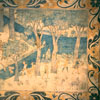
Long Term Exhibition
Segesser Hide Paintings
New Mexico History Museum
Though the source of the Segesser Hide Paintings is obscure, their significance cannot be clearer: the hides are rare examples of the earliest known depictions of colonial life in the United States. Moreover, the tanned and smoothed hides carry the very faces of men whose descendants live in New Mexico today.
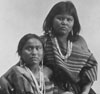
Long Term Exhibition
Telling New Mexico: Stories from Then and Now
New Mexico History Museum
Telling New Mexico: Stories from Then and Now sweeps across more than 500 years of history—from the state’s earliest inhabitants to the residents of today. These stories breathe life into the people who made the American West: Native Americans, Spanish colonists, Mexican citizens, Santa Fe Trail riders, fur trappers, outlaws, Buffalo Soldiers, railroad workers, miners, scientists, hippies, artists, and photographers.
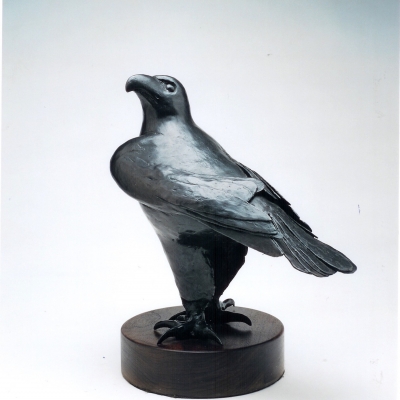
Jan 15, 2010 - Jan 15, 2026
Michael Naranjo Touching Beauty Exhibit
New Mexico Department of Cultural Affairs
On display in the Bataan Building Atrium Gallery: Touching Beauty Now, sculpture by Santa Clara Pueblo’s Michael Naranjo, celebrated the world over for his bronze and stone forms suspended in fluid, graceful movement.
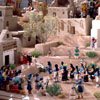
Long Term Exhibition
Multiple Visions: A Common Bond
Museum of International Folk Art
Permanent Exhibit
Multiple Visions: A Common Bond has been the destination for well over a million first-time and repeat visitors to the Museum of International Folk Art. First, second, third, or countless times around, we find our gaze drawn by different objects, different scenes. With more than 10,000 objects to see, this exhibition continues to enchant museum visitors, staff and patrons. Explore highlights from the GIRARD WING.
Dec 7, 2014 - Dec 31, 2024
Setting the Standard: The Fred Harvey Company and Its Legacy
New Mexico History Museum
Setting the Standard: The Fred Harvey Company and Its Legacy, in the New Mexico History Museum’s main exhibit, Telling New Mexico: Stories from Then and Now, helps tell those stories. Setting the Standard uses artifacts from the museum’s collection, images from the Palace of the Governors Photo Archives and loans from other museums and private collectors. Focusing on the rise of the Fred Harvey Company as a family business and events that transpired specifically in the Land of Enchantment, the tale will leave visitors with an understanding of how the Harvey experience resonates in our Southwest today.
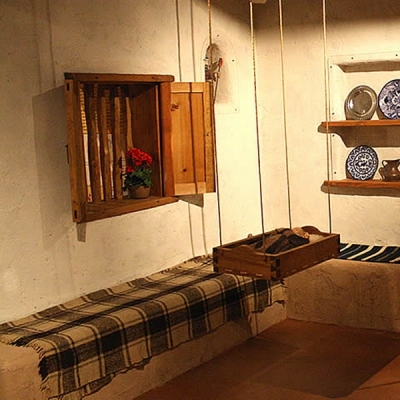
Long Term Exhibition
New Mexico Colonial Home - Circa 1815
New Mexico Farm and Ranch Heritage Museum
The Spanish colonial home (la casa) gives visitors an idea of what a home from the time around 1815 would have looked like.
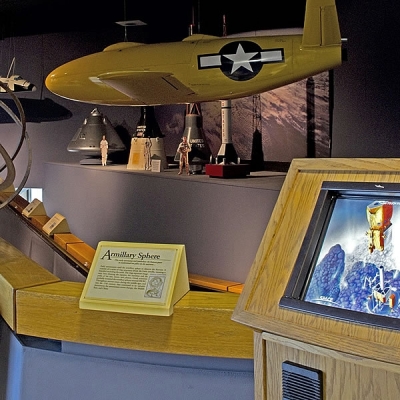
Long Term Exhibition
Icons of Exploration
New Mexico Museum of Space History
Showcases some of the Museum’s most celebrated objects including a real "moon rock," rare replicas of the first man-made satellites, Sputnik and Explorer, and the Gargoyle, an early guided missile.
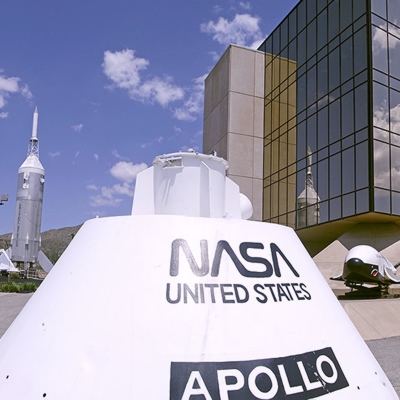
Long Term Exhibition
John P. Stapp Air & Space Park
New Mexico Museum of Space History
Named after International Space Hall of Fame Inductee and aeromedical pioneer Dr. John P. Stapp, the Air and Space Park consists of large space-related artifacts documenting mankinds exploration of space.
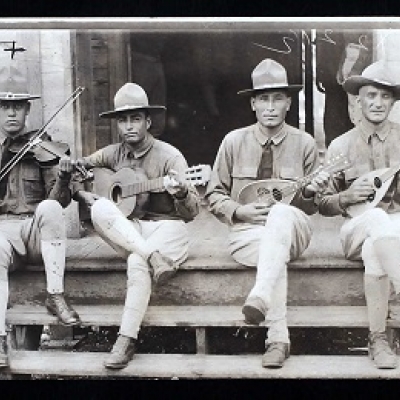
Long Term Exhibition
The First World War
New Mexico History Museum
Exhibition opened on the 100th anniversary of Armistice
The First World War exhibition investigates the contributions of New Mexicans to the war, through letters, photographs and objects.
“New Mexico played an important role in both world wars,” said Andrew Wulf, then-Director of the New Mexico History Museum. “We are proud to be able to recognize and remember that contribution and add The First World War as a permanent exhibition, to underscore the sacrifice and heartfelt letters home from these brave soldiers.”
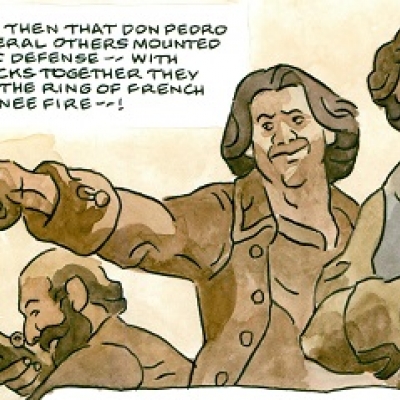
Long Term Exhibition
The Massacre of Don Pedro Villasur
New Mexico History Museum
This exhibition features 23 original graphic history art works by Santa Fe-based artist Turner Avery Mark-Jacobs. This display, ’The Massacre of Don Pedro Villasur,’ narrates the history of an ill-fated Spanish colonial military expedition which set out from Santa Fe in 1720. This depicted story shares the exhibit room with the History Museum’s Segesser I and II Hide paintings located in the Telling New Mexico gallery.
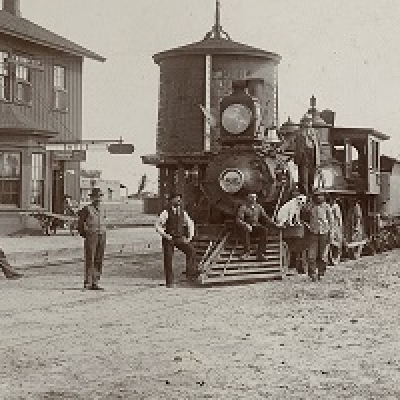
Oct 18, 2019 - Oct 18, 2026
Working on the Railroad
New Mexico History Museum
Working on the Railroad pays tribute to the people who moved the rail industry throughout New Mexico.
Using nearly forty images from the Palace of the Governors Photo Archives and the Library of Congress, this exhibition offers an in-depth look at the men and women who did everything from laying track to dispatching the engines. Wrenches, lanterns, tie dating nails and other objects from the New Mexico History Museum collections will be displayed to give additional life to the photos; many hands used those tools to ensure that each engine ran smoothly and successfully.
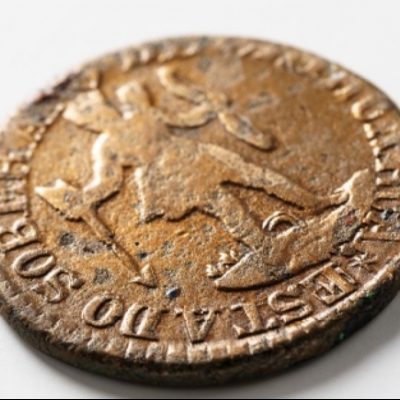
Long Term Exhibition
The Palace Seen and Unseen: A Convergence of History and Archaeology
New Mexico History Museum
Reflecting current archaeological and historical perspectives, Palace Seen and Unseen draws from historic documents, photographs, and archaeological and architectural studies produced by its former residents, visitors, stewards, and scholars. When the dynamic expertise of historians and archaeologists converges, a richer story and better understanding emerges. It is this integrative approach to what is seen and unseen that guides the themes explored by this exhibition. On long term view.
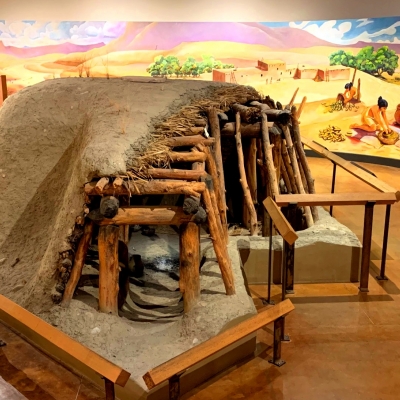
Long Term Exhibition
Early Agriculture
New Mexico Farm and Ranch Heritage Museum
People have been growing food in what is now New Mexico for 4,000 years.
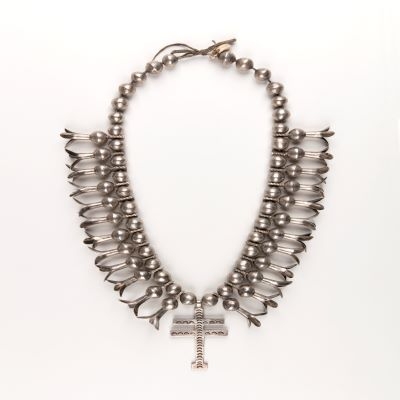
Jul 2, 2022 - Jul 2, 2028
Here, Now and Always
Museum of Indian Arts and Culture
Opening July 2, 3, 2022
The Museum of Indian Arts and Culture invites you to visit its brand new permanent exhibition, Here, Now and Always, opening July 2 and 3, 2022 on Museum Hill in Santa Fe.
Here, Now and Always centers on the voices, perspectives, and narratives of the Indigenous peoples of the American Southwest.
This groundbreaking exhibition features more than six hundred objects from the museum’s extraordinary collection of ceramics, jewelry, paintings, fashion, and more.
Learn more and plan your visit now at https://indianartsandculture.org
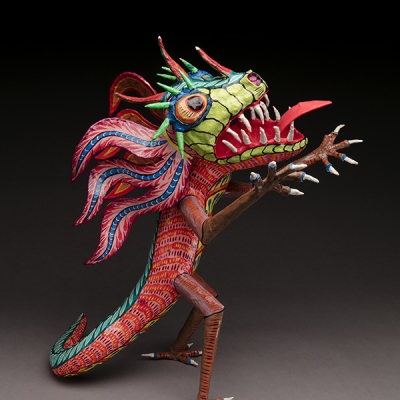
Jan 29, 2023 - Nov 3, 2024
La Cartonería Mexicana / The Mexican Art of Paper and Paste
Museum of International Folk Art
Mexican cartonería is an artform that expresses human imagination, emotion, and tradition using the simple materials of paper and paste to create a diverse array of subjects such as piñatas, dolls, Day of the Dead skeletons, and fantastical animals called alebrijes. The first exhibition to focus exclusively on a Mexican folk art tradition in many years, La Cartonería Mexicana showcases more than 100 historic sculptures from the Museum of International Folk Art’s Permanent Collection, many of which have never been displayed.
The exhibition takes place in our Hispanic Heritage Wing, one of the few museum wings in the United States which devotes space to display the art and heritage of Hispanic and Latino culture.
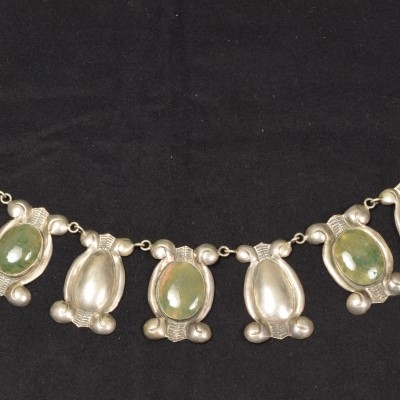
Apr 1, 2023 - Apr 1, 2025
Silver and Stones: Collaborations in Southwest Jewelry
New Mexico History Museum
Currently on display in the New Mexico History Museum’s Palace of the Governors, is an unusual jewelry collection from the 1940s and 1950s that exemplifies a beneficial economic relationship between Diné (Navajo) silversmith, David Taliman (1901–1967), and Jewish merchant, William C. Ilfeld (1905–1979). William C. Ilfeld was the grandson of the Jewish pioneer Charles Ilfeld, who emigrated from Germany in 1865. William managed the Native American jewelry department at the family’s department store in Las Vegas, New Mexico. Taliman worked in several trading post shops including Maisel’s in Albuquerque and Julius Gan’s Southwest Arts and Crafts in Santa Fe. Ilfeld’s designs were produced by Native artisans, like Taliman, who often used stones from his personal collection. The jewelry was donated by Ilfeld to the New Mexico History Museum in 1971 and is part of the museum’s permanent collection.
Photo credit: Necklace; David Taliman (Diné) 1940s–1950s, Commissioned by William C. Ilfeld-New Mexico History Museum (NMHM/DCA), 05355.45

Apr 3, 2023 - Apr 3, 2025
The Santos of New Mexico
New Mexico History Museum
As part of our Highlights from the Collection: The Larry and Alyce Frank Collection of Santos (saints), in the Palace of the Governors features sixty retablos (devotional paintings on panel) and bultos (carved religious sculptures) from 1810-1880. They were acquired by the museum in 2007, and previously on display as part of the Tesoros de Devocion/Treasures of Devotion exhibition from 2008-2018. Bultos and retablos were created for villages and Pueblo churches, home altars, and the private devotional chapter houses of lay brotherhoods, known commonly to outsiders as Penitentes to promote and teach the Catholic religion in Spanish-speaking and Native communities. Experience works from master santeros (saint-makers) José Rafael Aragón, Molleno, the Laguna Santero, José Aragón, and more!
Photo credit:
José Rafael Aragón, Santa Rita de Casia, 1821-1862. Larry and Alyce Frank Collection. NMHM/DCA 2007.032.035
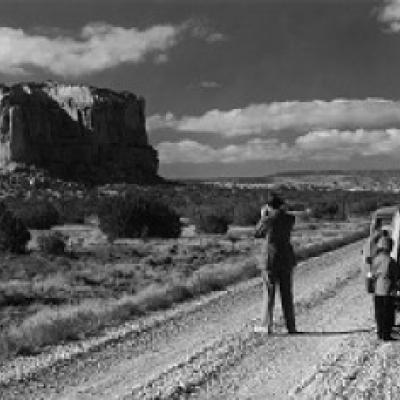
Apr 15, 2023 - May 31, 2024
EnchantOrama! New Mexico Magazine Celebrates 100
New Mexico History Museum
NMHM Herzstein Gallery
The New Mexico History Museum, with support from New Mexico Magazine, proudly presents EnchantOrama! New Mexico Magazine Celebrates 100. Learn why and how the publication began, view a selection from over one thousand magazine covers, and enjoy seeing over two hundred photographs published in the magazine since 1923. Visitors will enjoy a mid-century office space—replete with a rotary telephone—as they peruse previous editions of the magazine or type up an article on a 1970s typewriter. Join us for a free public opening reception in our main lobby, hosted by the MNMF Women’s Board, on Sunday, April 16, 2023 from 1-3pm, with free admission.
Photo Credit: Tourists at Mesa Encantada near Acoma Pueblo, 1954. Photograph by Harvey Caplin. Palace of the Governors Photo Archives Neg. No. 058264
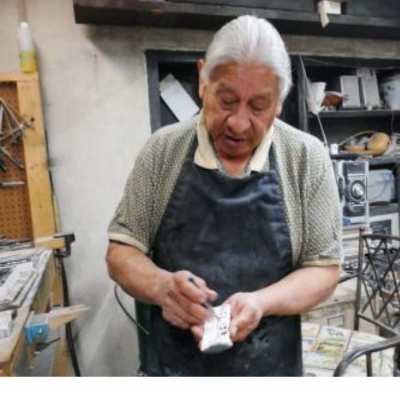
May 7, 2023 - May 3, 2024
“Down Home” MIAC 2023 Living Treasure Anthony Lovato (Kewa/Santo Domingo Pueblo)
Museum of Indian Arts and Culture
Drawing from the MIAC permanent collection and the generosity of private lenders, Down Home brings together decades of Lovato’s work. Selections detailing his trademark corn, horse, and hand motifs are complemented by individual masterpieces evoking family, migration, and cosmology.
Importantly, the exhibition focuses on Lovato’s interpretation of his own work. Visitors will leave not only with a deeper knowledge of jewelry making and tufa casting, but of Lovato as an artist, community member, and storyteller. As a complement to his artistic practice, Lovato is dedicated to working within his community, serving as an advocate for language revitalization, education, and the power of art to facilitate healing.
In addition to showing Lovato’s innovative and always one-of-a-kind pendants, stamped necklaces, bracelets, rings, pins, and sculptural items the exhibition also includes the work of his grandfather, Leo Coriz.
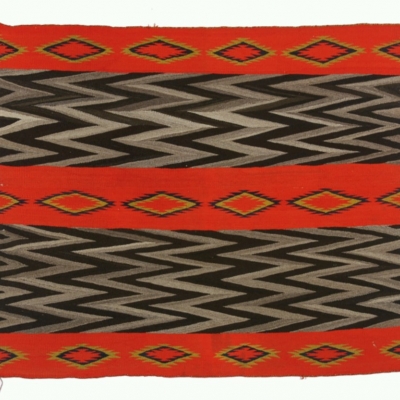
Jul 16, 2023 - Jun 2, 2024
Horizons: Weaving Between the Lines with Diné Textiles
Museum of Indian Arts and Culture
Opening July 16, 2023 - Masterpieces Gallery
Santa Fe, NM - The horizon line is both a point of connection between sky and earth and a separation of space. Horizons: Weaving Between the Lines with Diné Textiles at Museum of Indian Arts & Culture (MIAC) explores the connections between weaving and photography as modes of engagement with place. By situating these two media in conversation, this exhibition presents each as a way of seeing and knowing Dinétah, the Navajo homeland, emphasizing the land-based and relational practices of Diné (Navajo) weaving. Horizons is on view July 16, 2023, through June 2, 2024.
Aug 3, 2023 - May 26, 2024
Miguel Trujillo and the Pursuit of Native Voting Rights
New Mexico History Museum
The New Mexico History Museum is proud to present “Miguel Trujillo and the Pursuit of Native Voting Rights”. The special exhibition honors the 75th anniversary of the landmark court case, Trujillo v Garley, which granted Native New Mexicans the right to vote in US elections.
The story is told through an interactive voting booth and shares the fascinating story of Native American suffrage. The ruling in 1948 removed legal and constitutional barriers to voting for Native Americans residing on tribal lands in New Mexico. At the center of this effort is Miguel Trujillo (Isleta Pueblo), a veteran and tribal educator. His tireless pursuit of equitable representation for his people is a noteworthy addition to better-known stories about women’s suffrage and African American voting rights.
Also featured in the exhibition are excerpts from the latest season of Encounter Culture, the official podcast of the Department of Cultural Affairs, produced with the support of the Museum of New Mexico Foundation and the National Endowment for the Humanities.
Image Credit: Miguel Trujillo’s graduation from the University of New Mexico, 1942. Photograph courtesy of Dr. Michael Trujillo.
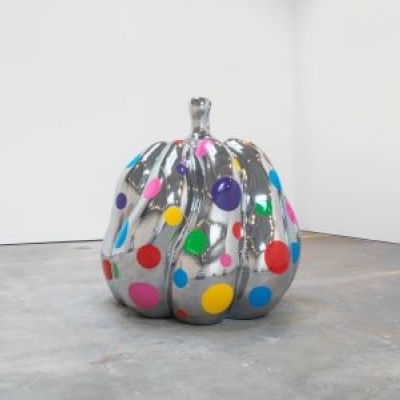
Sep 23, 2023 - Apr 28, 2024
Shadow and Light
New Mexico Museum of Art
Shadow and Light, the inaugural exhibition at the Vladem Contemporary plays upon the famed New Mexico light which is credited for attracting artists and photographers to the region for decades. More importantly, the theme illustrates one of the original notions behind the founding of the New Mexico Museum of Art—the belief that the impact of the arts is far greater than simple replication and illustration. The arts engage the big ideas and experiences of human life.
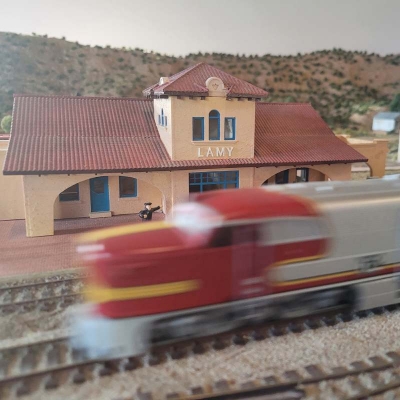
Dec 16, 2023 - Jan 16, 2025
18 Miles and That’s As Far As It Got: The Lamy Branch of the Atchison, Topeka and Santa Fe Railroad
New Mexico History Museum
Enjoy a captivating flashback as the New Mexico History Museum presents "18 Miles and That’s As Far As It Got: The Lamy Branch of the Atchison, Topeka and Santa Fe Railroad." This engaging exhibition will delve into the connections between the little town of Lamy and New Mexico’s legendary capital city of Santa Fe.
The centerpiece of the exhibition is the Lamy Train Model. Meticulously crafted by the Santa Fe Model Railroad Club, the 32-foot model transports visitors to the early 1940s, where wood frame and adobe buildings, stockyards, and the “Harvey House” defined the community.
Photo credit: Lamy Model Train. Courtesy NMHM

Feb 25, 2024 - Aug 18, 2024
Staff Picks: Favorites from the Collection
Museum of International Folk Art
Staff Picks: Favorites from the Collection features objects that were selected by members of the Museum of International Folk Art (MOIFA) staff. This is the first exhibition that MOIFA has presented with work chosen by all staff. The selections highlight the diversity of the museum’s collection and present the perspectives of staff through their favorite works. The MOIFA collection has grown to over 162,000 objects, representing more than 100 countries since its founding in 1953. Staff made their selections by touring museum storage, researching work in the collection, picking pieces from previous exhibitions, or choosing from a geographic area.
Exhibit Information Accessible PDF
Información de la Exposición PDF Accesible
Image: "BoBo bu Ko" Robotic Assemblage, James Bauer, ca. 1994, reused metal and plastic, commercial lawn chair, Alameda, CA, IFAF Collection, FA.1995.71.1V (photography by Kellen Hope)

Apr 4, 2024 - May 4, 2025
The Art of Peter Aschwanden: For the Compleat Idiot
New Mexico History Museum
This quirky exhibit celebrates the man who brought humor and humanity to car repair manuals - Peter Aschwanden! "The Art of Peter Aschwanden: For the Compleat Idiot" features large-scale detailed drawings drawn from the iconic illustrations in John Muir’s best-seller, "How to Keep Your Volkswagen Alive."

Apr 15, 2024 - May 15, 2025
Reflections on History
New Mexico History Museum
"Reflections on History" is an interactive exhibit at the New Mexico History Museum (April 16th - May 1st). Visitors contemplate historic photos mirrored alongside their own reflections, blurring the lines between past and present. This inclusive exhibit showcases diverse New Mexicans and encourages participation in shaping the state’s narrative.

Long Term Exhibition
Palace Through Time
New Mexico History Museum
"Palace Through Time" explores the Palace of the Governors’ evolution, from its 17th-century construction to its current role as a symbol of Santa Fe’s rich history. Using 3D models and historical documents, visitors can learn how the Palace has transformed alongside the city and the State of New Mexico.
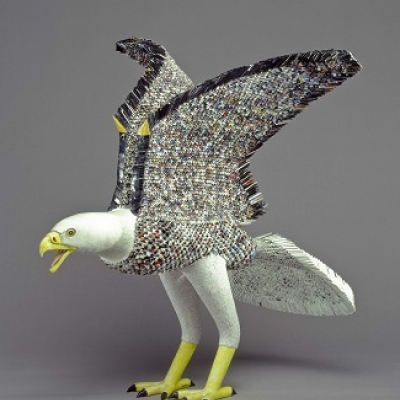
Aug 9, 2024 - Sep 2, 2025
Between the Lines: Prison Art & Advocacy
Museum of International Folk Art
Between the Lines: Prison Art & Advocacy seeks to re-humanize the incarcerated. Through a combination of in-gallery artworks, fresh multimedia pieces (interviews with returned citizens and allies, art-making demonstrations, etc.) and community-co-developed events, this exhibition will explore prisoners’ rights, recidivism / systemic oppression, and transitional justice.

Nov 17, 2024 - Nov 17, 2025
iNgqikithi yokuPhica / Weaving Meanings: Telephone Wire Art from South Africa
Museum of International Folk Art
The spectacular art of telephone-wire weaving is the subject of iNgqikithi yokuPhica / Weaving Meanings: Telephone Wire Art from South Africa at the Museum of International Folk Art in Santa Fe, New Mexico. Foregrounding artists’ voices, Weaving Meanings shares histories of the wire medium in South Africa, from the 16th century uses as currency to the dazzling artworks wire weavers create today. From beer pot lids (izimbenge) to platters and plates, from vessels to sculptural assemblages, works in the exhibition speak to the continued development and significance of this artistic tradition, both locally in KwaZulu-Natal and to global markets and audiences.
Weaving Meanings features historical items alongside contemporary works of art, demonstrating individual and community-based ways of making and knowing. Curated in consultation with Indigenous Knowledge experts in broader Nguni and specific Zulu cultures, this exhibition sheds new light on this artistic medium, highlighting the experiences of the artists themselves through videos featuring interviews and the process of creating wirework.
The first major exhibition of telephone-wire art in any North American museum, Weaving Meanings brings together several significant collections generously donated to the museum by David Arment. Guest curator Dr. Elizabeth Perrill, one of the world’s foremost experts on Zulu ceramics, brings to the project over 15 years of experience collaborating with artists in KwaZulu-Natal, South Africa and 25 years of engaged research in Southern Africa.
To make a donation to help support this important project, please click HERE.
Image Credit: Telephone wire plate by Ntombifuthi (Magwaza) Sibiya, 515 x 425 mm. Museum of International Folk Art. Photo by Andrew Cerino.

